If you want sustainable organic traffic from Google Search, understanding SEO is essential. It is the process of improving your website so it appears higher in search engine results pages for relevant queries.
Search engines analyze crawling, indexing, authority, content quality, and user behavior before ranking websites. When done correctly, SEO becomes a long term growth engine rather than a short term tactic.
This guide explains everything in a structured and clear format so you can understand both fundamentals and advanced strategy.
What Does Search Engine Optimization Mean in Digital Marketing?
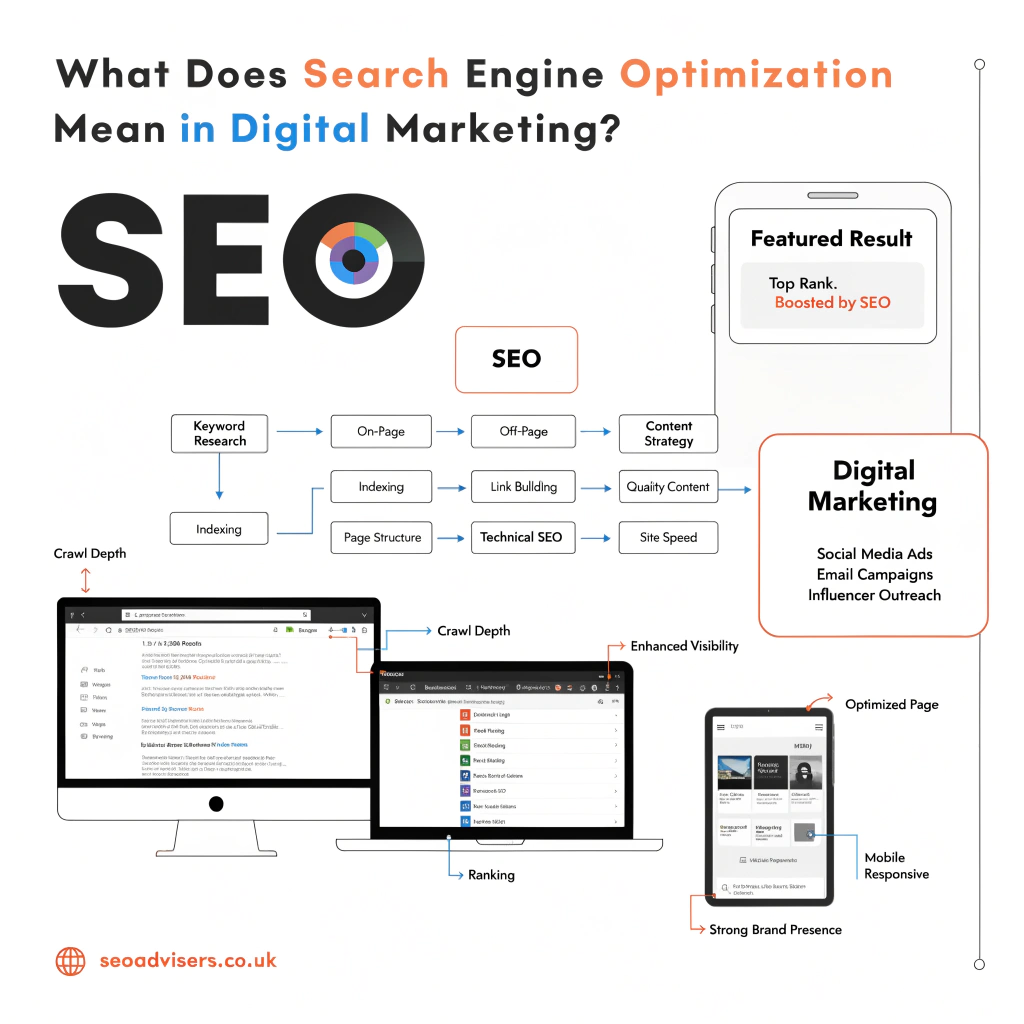
Search Engine Optimization is the practice of improving organic search visibility. Unlike PPC, which requires continuous ad spend, organic search focuses on ranking naturally.
Here is a simplified comparison:
| Channel | Traffic Type | Cost Model | Long Term Value |
| SEO | Organic traffic | Time and strategy investment | High compounding returns |
| PPC | Paid traffic | Pay per click | Stops when budget ends |
| SEM | Combination | Paid plus organic | Balanced strategy |
In digital marketing, search engine optimization supports:
- Brand authority
- Lead generation
- Sustainable traffic
- Conversion growth
- Lower customer acquisition cost
How Search Engines Work
Understanding how search engines operate helps you optimize correctly.
Step 1: Crawling
Bots scan websites using links and discover new content. Proper internal linking and XML sitemaps help bots navigate efficiently.
Step 2: Indexing
Once discovered, pages are stored in a database. Technical elements such as canonical tags, structured data, and robots.txt influence indexing.
Step 3: Ranking
Search engines evaluate ranking factors and display results in SERPs.
Core Ranking Signals
| Category | Example Signals |
| Relevance | Keyword alignment, search intent |
| Authority | Backlinks, domain authority |
| Technical | Page speed, Core Web Vitals |
| User Behavior | Click through rate, bounce rate |
| Trust | EEAT signals |
Evolution of Search Optimization
Search optimization has evolved significantly.
Early Era
- Keyword stuffing
- Low quality backlinks
- Thin content
Quality Era
- Panda and Penguin updates
- Content depth
- Natural link building
AI Driven Era
- Machine learning algorithms
- Entity based search
- Generative AI summaries
- Voice search optimization
Today, search visibility depends on relevance, authority, and context rather than tricks.
Types of SEO
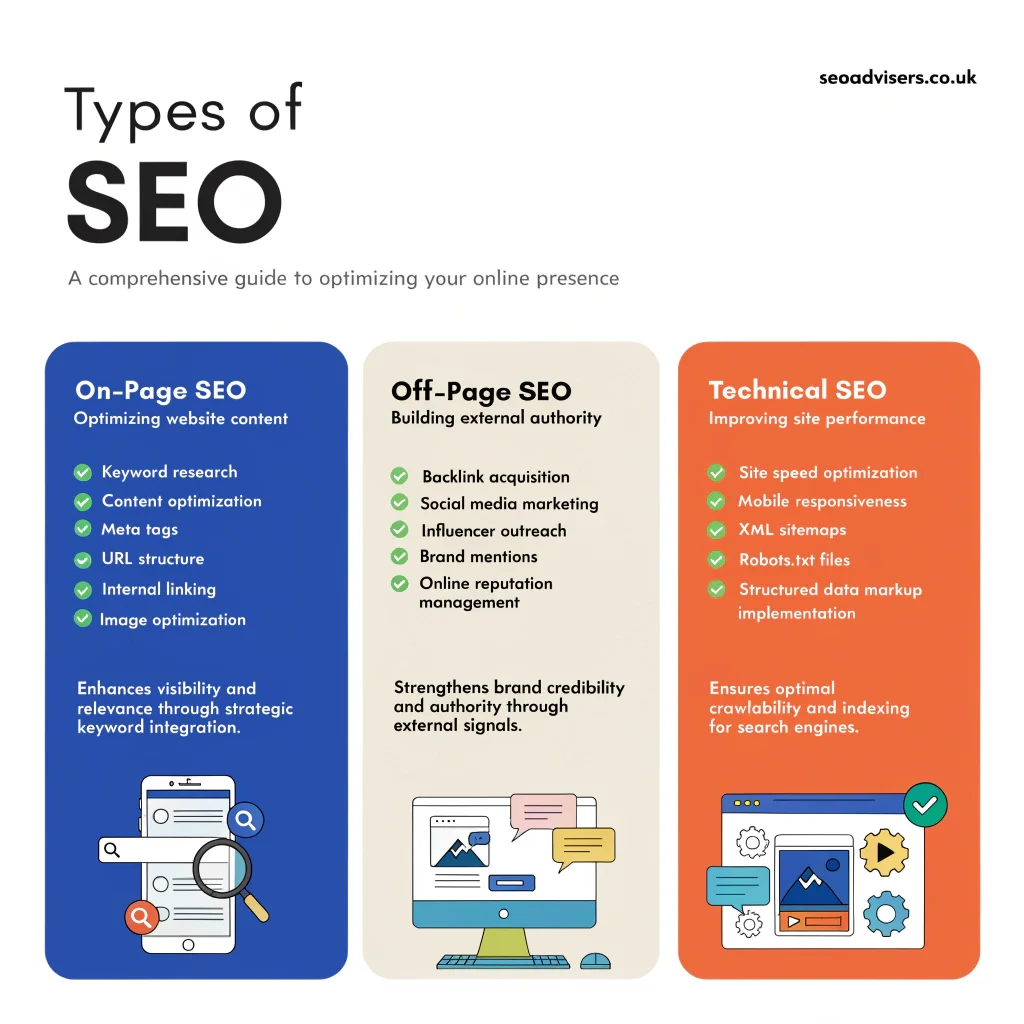
Understanding different types of SEO ensures comprehensive coverage.
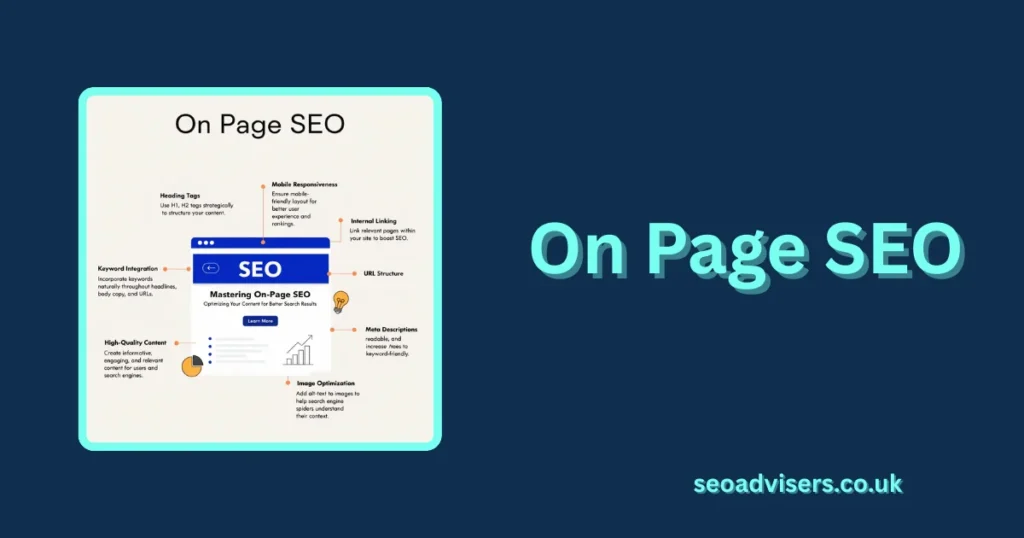
On Page SEO
On page SEO focuses on optimizing content and HTML elements.
Includes:
- Title tags
- Meta descriptions
- Header tags
- Keyword placement
- Internal linking
- Image alt text
- Content optimization
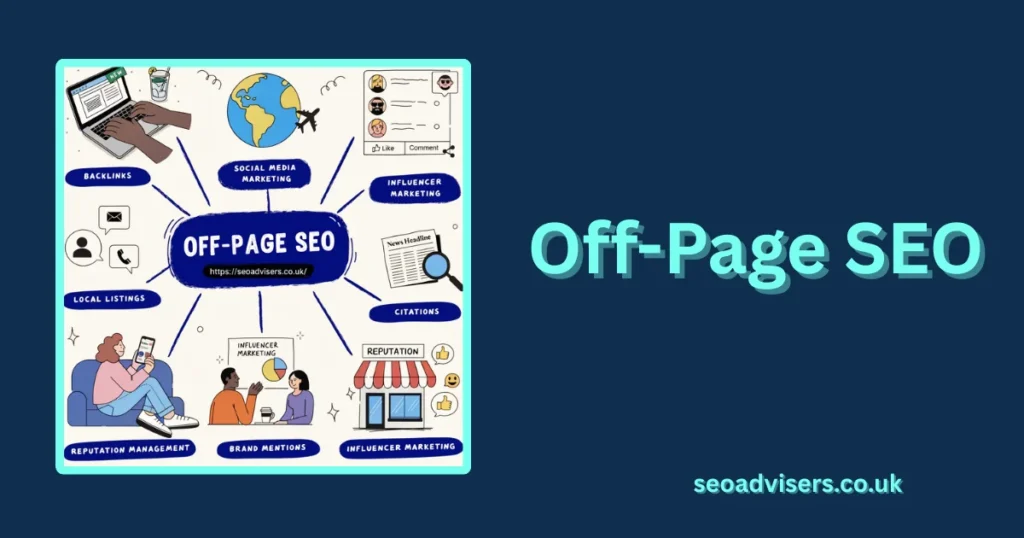
Off Page SEO
Off page optimization strengthens authority.
Includes:
- Backlinks
- Anchor text diversity
- Brand mentions
- Digital PR
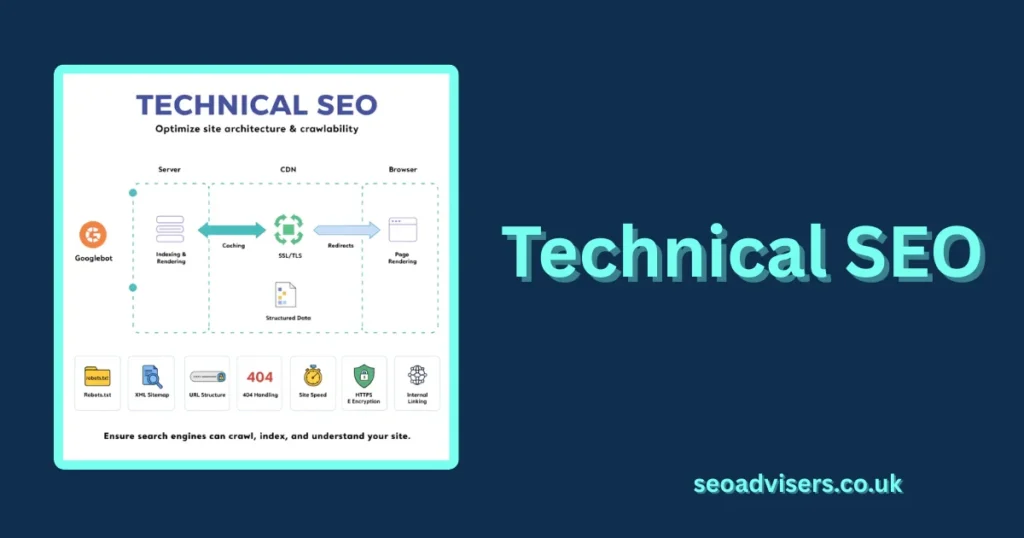
Technical SEO
Technical SEO ensures proper crawling and indexing.
Includes:
- XML sitemap
- Robots.txt
- Canonical tags
- Schema markup
- Mobile friendliness
- Core Web Vitals
- Page speed
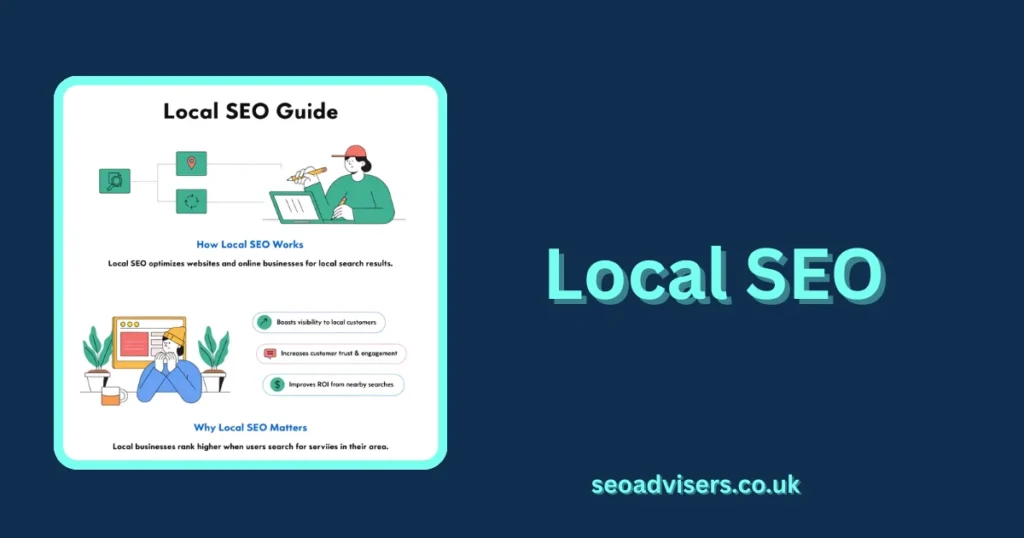
Local SEO
Targets geographic queries such as local SEO services or SEO company near me.
Enterprise and E-Commerce SEO
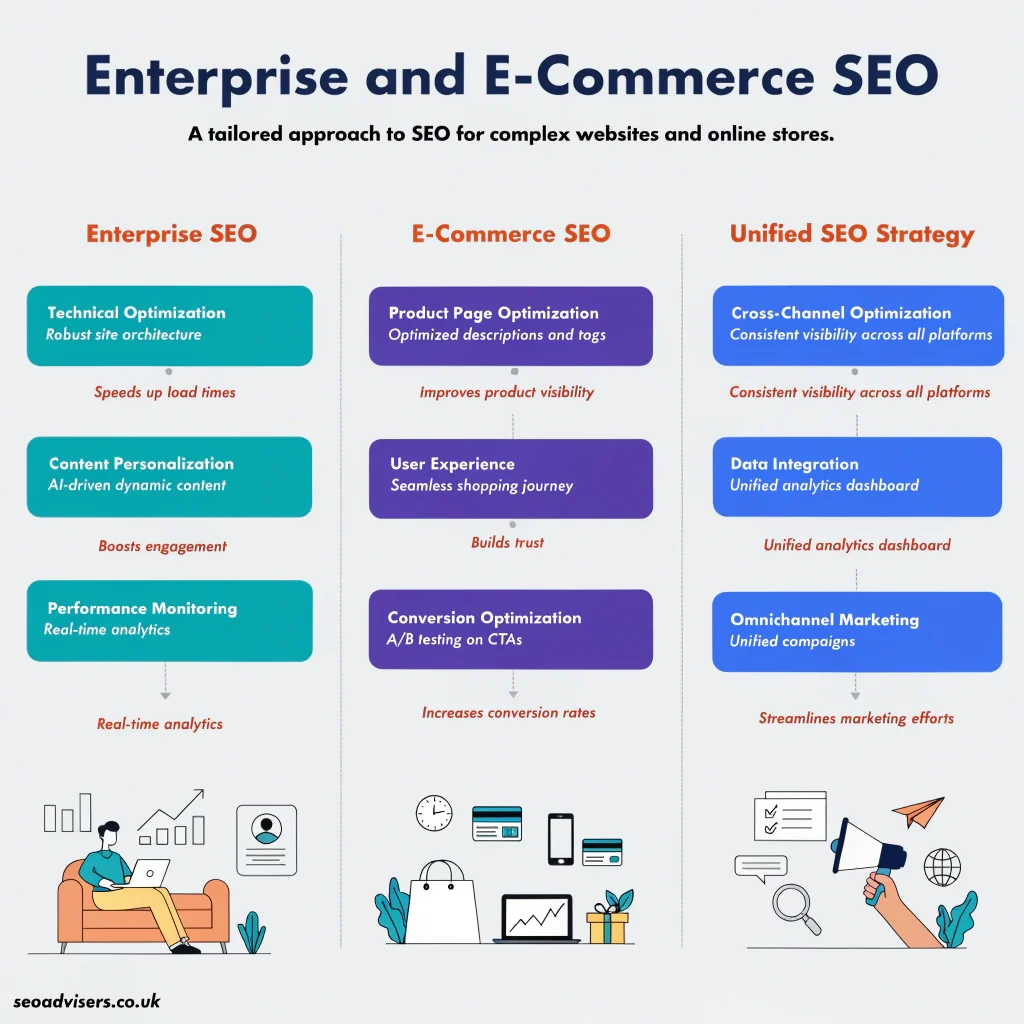
Enterprise SEO manages large websites with complex site architecture.
E-commerce SEO optimizes product and category pages for transactional keywords.
Core Components of a Modern Strategy
To build strong rankings, you must combine several elements.
1. Keyword Research
Effective keyword research identifies:
- Primary keywords
- Secondary keywords
- Long tail keywords
Examples of long tail keywords:
- How long does SEO take to work
- SEO strategy for small businesses
- Technical SEO checklist
- On page SEO checklist
- Off page SEO techniques
Search intent must match content type. Informational keywords need educational content. Transactional keywords require service pages.
2. Content Optimization
Content should be:
- Clear
- Comprehensive
- Structured
- Helpful
Use header tags logically. Incorporate semantic keywords naturally. Focus on search intent optimization.
3. User Experience
Search engines measure engagement.
Important UX Metrics
| Metric | Why It Matters |
| Core Web Vitals | Loading and stability |
| Mobile friendliness | Mobile first indexing |
| Bounce rate | Content relevance |
| Click through rate | SERP performance |
Improving these signals strengthens rankings.
4. Authority and Backlinks
Backlinks remain a major ranking factor.
Strong Backlink Profile Includes:
- Relevant domains
- Natural anchor text
- Contextual placement
- Consistent growth
Authority signals influence trust and ranking potential.
EEAT and Trust Signals
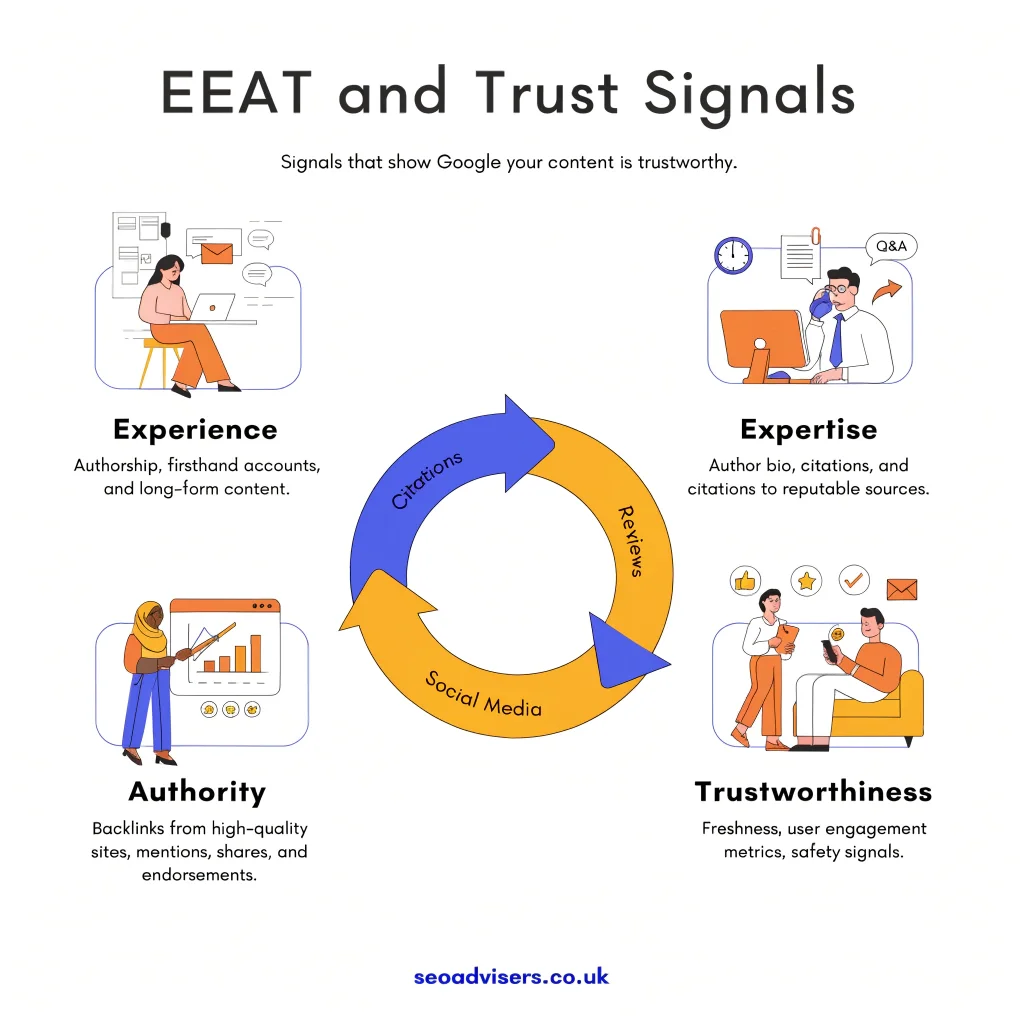
EEAT stands for Experience, Expertise, Authoritativeness, and Trust.
To improve EEAT:
- Publish expert content
- Include author bios
- Add case studies
- Use secure protocols
- Provide transparent contact details
Search engines prioritize trustworthy content in competitive industries.
AI, AEO, and the Future of SEO
Artificial intelligence is changing how search results appear.
Generative Engine Optimization focuses on optimizing content for AI generated summaries.
Answer Engine Optimization helps capture featured snippets and voice search responses.
Emerging Trends
| Trend | Impact |
| AI summaries | Reduced click volume |
| Entity SEO | Context based ranking |
| Zero click searches | Increased direct answers |
| Voice search | Conversational keywords |
Future strategies require semantic SEO and structured data implementation.
SEO vs PPC vs SEM Comparison
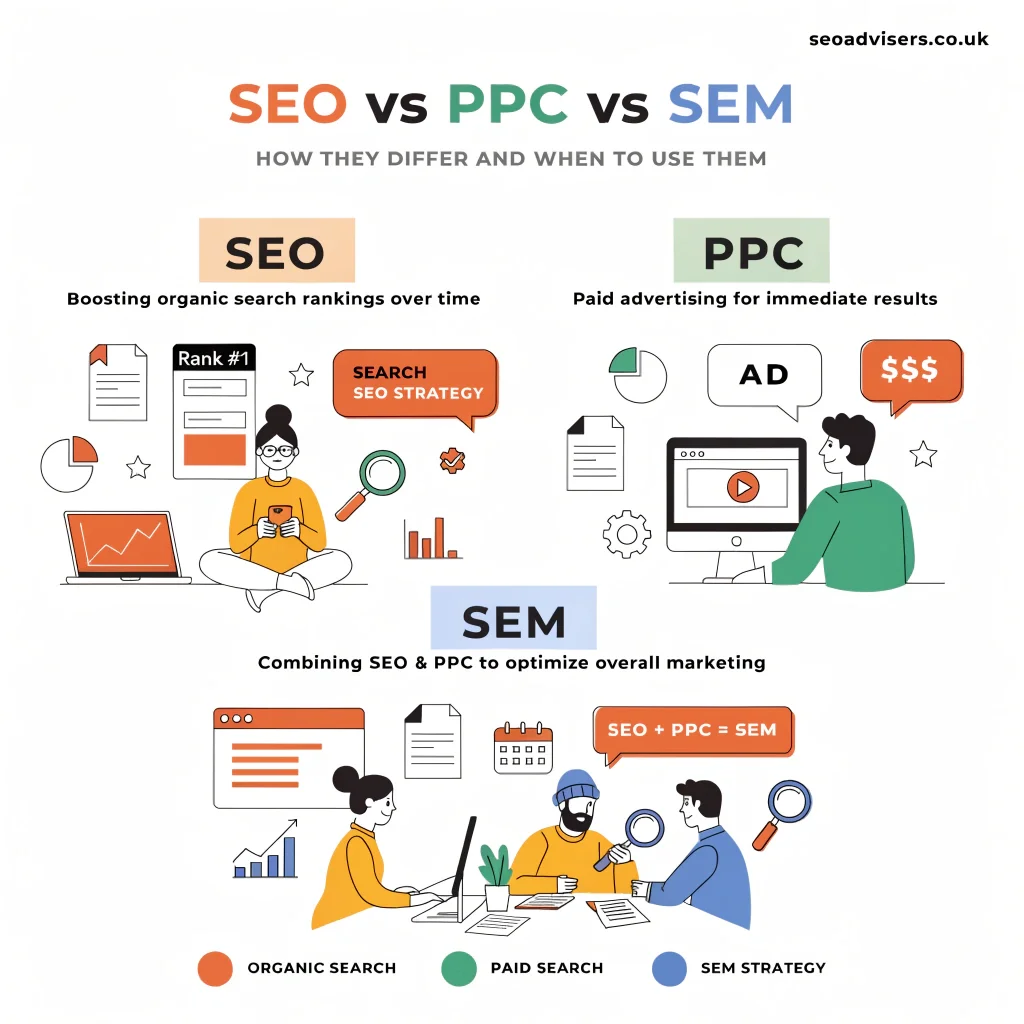
Understanding the difference helps strategic planning.
| Feature | SEO | PPC |
| Speed | Medium to slow | Immediate |
| Cost | Time investment | Continuous payment |
| Longevity | Long term | Short term |
| Trust | Higher | Lower |
A combined SEM strategy can balance immediate traffic with long term growth.
How Long Does It Take to See Results?
Results depend on:
- Competition
- Industry
- Domain authority
- Content quality
- Backlink strength
- Technical foundation
Typically, improvements appear within three to six months. Consistency is key.
Step by Step Implementation Framework
Follow this structured plan:
- Conduct technical audit
- Perform keyword research
- Map search intent
- Optimize on page elements
- Improve internal linking
- Build high quality backlinks
- Track performance in Google Analytics
- Refine based on data
Measure organic traffic, rankings, and conversion rate to evaluate ROI.
Common Mistakes to Avoid
Avoid these common issues:
- Ignoring search intent
- Thin content
- Poor site architecture
- Slow page speed
- Over optimized anchor text
- Weak internal linking
Fixing these issues improves search visibility.
Final Thoughts
Strategic SEO for Sustainable Visibility
Building sustainable search visibility requires strategic planning, technical precision, and high-quality content. SEO is no longer about shortcuts. It is about delivering value, aligning with search intent, and building authority over time.
Long-Term Growth and Authority
With the right framework, consistent execution, and adaptation to AI-driven search changes, SEO becomes a powerful engine for long-term growth, brand authority, and measurable revenue.
Frequency Asked Question About SEO
Q1. What is SEO in simple terms?
SEO is the process of improving a website so it ranks higher in organic search results and attracts relevant traffic.
Q2. How does SEO work step by step?
It works through crawling, indexing, optimizing content, building backlinks, and improving technical performance.
Q3. How long does SEO take to show results?
Most websites see measurable changes within three to six months, depending on competition and strategy.
Q4. What are the main types of SEO?
The main types include on page SEO, off page SEO, technical SEO, local SEO, and enterprise SEO.
Q5. Is SEO better than PPC?
SEO provides long term organic growth, while PPC offers immediate visibility. Both have strategic advantages.
Q6. What are ranking factors in SEO?
Ranking factors include content relevance, backlinks, technical health, user experience, and trust signals.
Q7. How important are backlinks?
Backlinks are crucial because they signal authority and trust to search engines.