What is Off-Page SEO?
Off-page SEO refers to all strategies and techniques implemented outside of your website to improve its search engine rankings. While on-page SEO focuses on optimizing content, headings, images, and internal linking, off-page SEO emphasizes building trust, authority, and relevance across the web. Google and other search engines use these external signals to evaluate how credible and valuable your website is.
Off-page SEO is not just about acquiring links. It encompasses all activities that increase your website’s visibility, reputation, and online authority. This includes backlinks, social media signals, brand mentions, influencer collaborations, and online reviews.
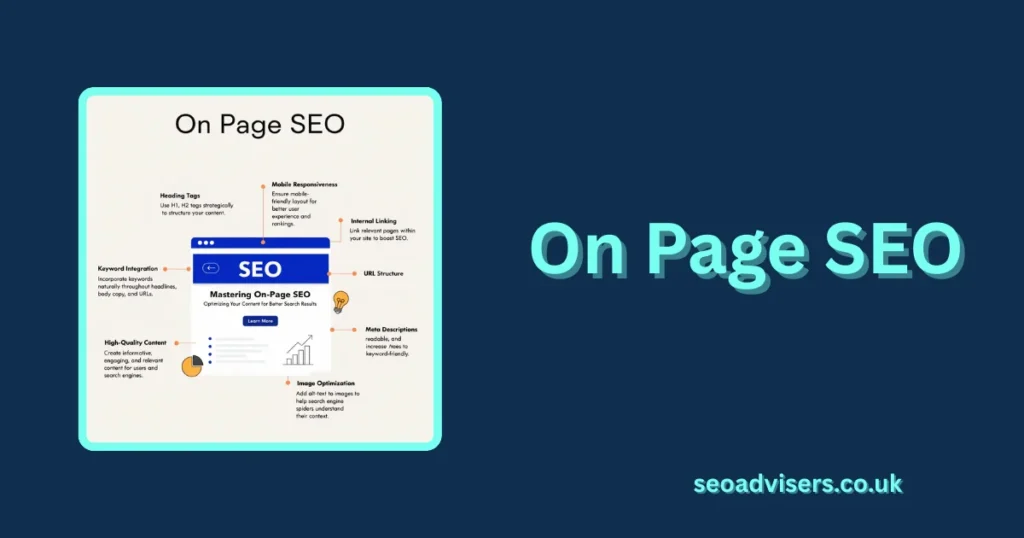
The difference between on-page and off-page SEO is crucial. On-page elements are fully controlled by the website owner, such as meta tags, structured content, and internal linking. Off-page SEO, on the other hand, depends on external factors, including outreach, strategic networking, and high-quality content that others want to share or link to.
In 2026, off-page SEO is more important than ever. With AI-driven search engines, high-quality backlinks, social engagement, and online authority are signals that significantly influence search rankings. Websites that combine strong on-page SEO with effective off-page SEO strategies are more likely to achieve sustained organic growth.
Key Components of Off-Page SEO
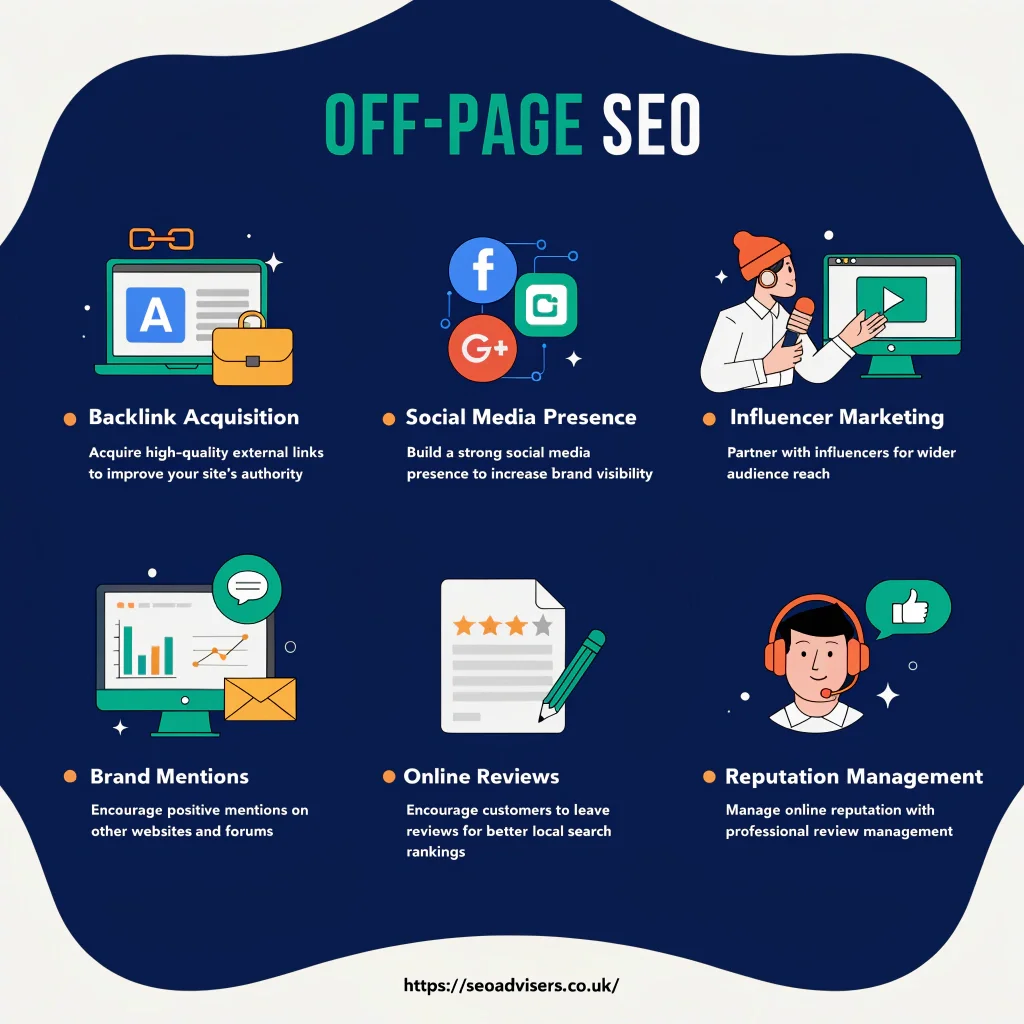
Understanding the key components of off-page SEO is essential for building a successful SEO strategy. Each component contributes to your website’s authority and visibility.
| Component | Description | Importance |
| Backlinks | Links from other websites pointing to your content. | Signals authority and trust to search engines. |
| Brand Mentions | Mentions of your brand, linked or unlinked. | Shows popularity and credibility. |
| Social Media Signals | Engagement on platforms like Facebook, LinkedIn, and Twitter. | Increases visibility and referral traffic. |
| Influencer Outreach & Digital PR | Collaborations with influencers and media coverage. | Acquires high-quality backlinks and enhances reputation. |
| Local SEO Citations & Reviews | Business listings and online reviews. | Improves local search rankings and credibility. |
Backlinks
Backlinks remain the cornerstone of off-page SEO. High-quality backlinks from authoritative and relevant websites signal to search engines that your content is valuable. Focus on acquiring links that are both contextually relevant and credible.
Brand Mentions
Brand mentions, whether linked or unlinked, are crucial for off-page SEO. Search engines treat these mentions as signals of trust and authority. Organic mentions indicate that your website or brand is recognized and valued by other websites and users.
Social Media Signals
Social engagement contributes indirectly to search rankings. While social signals do not directly increase rankings, high engagement increases visibility, drives referral traffic, and can generate natural backlinks over time.
Influencer Outreach & Digital PR
Collaborating with influencers or engaging in digital PR campaigns is a powerful way to earn authoritative backlinks and brand mentions. Influencers and reputable websites sharing your content boost both credibility and organic reach.
Local SEO Citations & Reviews
For businesses targeting local audiences, accurate citations and positive reviews play a key role in off-page SEO. Consistent listings on Google My Business, Yelp, and other directories improve local search visibility and customer trust.
Types of Backlinks and How to Build Them
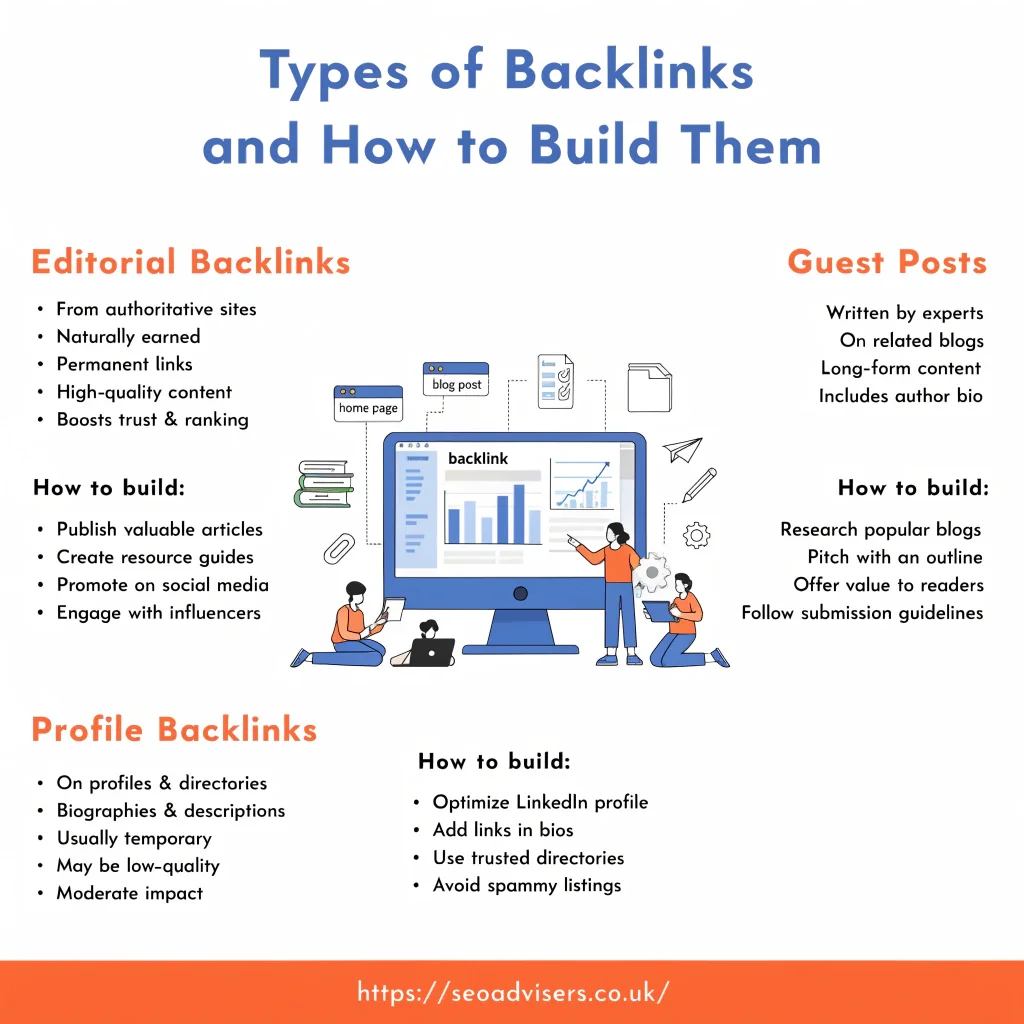
Backlinks are central to off-page SEO, but not all links are equally valuable. It is essential to understand the types of backlinks and strategies for acquiring them.
| Backlink Type | Strategy | Benefits |
| High-Authority Backlinks | Outreach to reputable industry sites. | Strongest ranking signal. |
| Niche-Relevant Backlinks | Links from websites in your specific industry. | Ensures contextual relevance. |
| Natural Backlinks | Organic links earned without direct outreach. | Signals genuine authority. |
| Guest Posts | Publishing content on other websites in exchange for backlinks. | Builds authority and referral traffic. |
| Broken Link Building | Replacing broken links with your relevant content. | Provides value and earns links naturally. |
High-Authority Backlinks
These links come from trusted websites with high domain authority. They significantly enhance your website’s credibility and search engine trust.
Niche-Relevant Backlinks
Links from websites that are directly related to your niche are highly valuable. Relevance ensures that the backlink contributes to ranking signals and authority in your specific field.
Natural Backlinks
Natural backlinks occur when other websites link to your content because it is genuinely valuable. Creating high-quality content, guides, infographics, or research papers increases the likelihood of earning these links.
Guest Posting
Guest posting is an effective strategy to build backlinks. By contributing high-quality content to reputable websites, you not only earn backlinks but also expand your audience and authority.
Broken Link Building
Broken link building involves identifying broken links on other websites and offering your content as a replacement. This strategy helps website owners fix their errors while generating valuable backlinks for their site.
Measuring Off-Page SEO Success
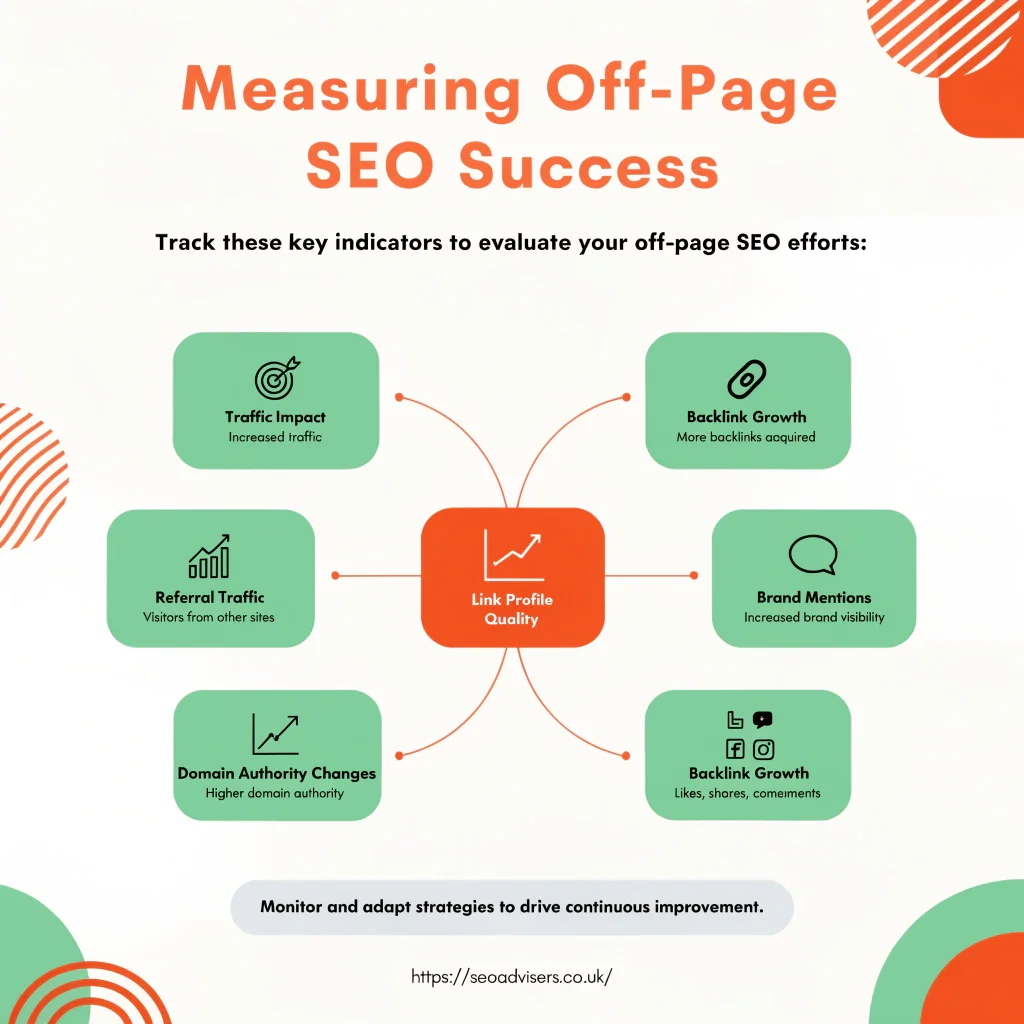
Tracking the effectiveness of off-page SEO is essential to ensure your strategies are producing results.
| Metric | Description | Tool Recommendations |
| Domain Authority / Domain Rating | Measures website strength and authority. | Moz, Ahrefs |
| Trust Flow & Citation Flow | Evaluates quality and influence of backlinks. | Majestic SEO |
| Referral Traffic | Tracks visits from external links. | Google Analytics |
| Social Signals | Measures engagement and sharing. | BuzzSumo, Hootsuite |
| Backlink Profile | Overview of all acquired backlinks. | Ahrefs, SEMrush, Moz |
Domain Authority and Domain Rating indicate the overall strength of your website’s backlink profile. Higher scores improve your chances of ranking higher in search results.
Trust Flow and Citation Flow measure the quality and influence of your backlinks. Websites with high trust flow are considered more credible by search engines.
Referral Traffic helps you understand which backlinks drive the most visitors to your website.
Social Signals provide insights into the visibility of your content on social platforms. Engaging content with high social interaction often earns more backlinks.
Using tools like Ahrefs, SEMrush, Moz, Google Analytics, and Majestic SEO allows you to monitor your backlink profile, measure success, and identify new opportunities.
Advanced Off-Page SEO Strategies
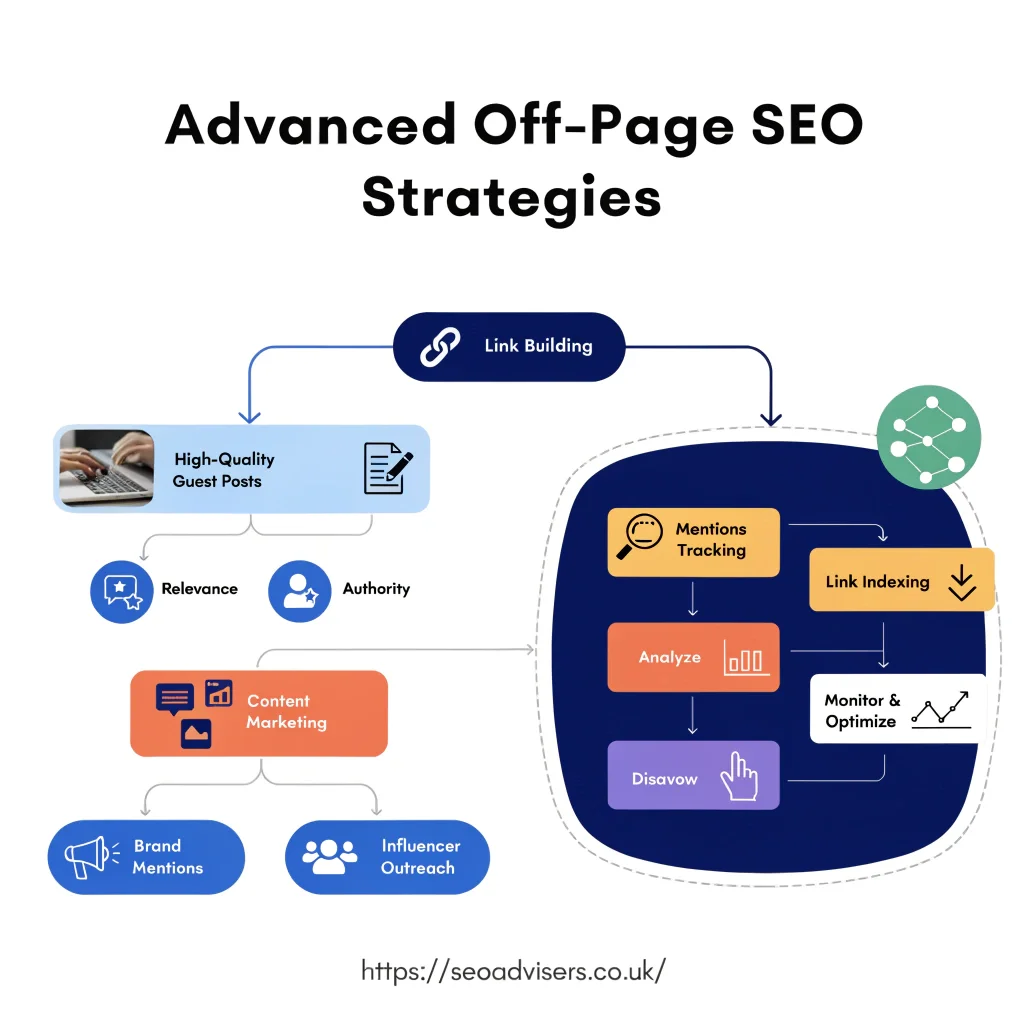
Going beyond basic link building, advanced strategies help you achieve higher authority and visibility.
Content Promotion for Backlinks: Share your high-quality content across social media, forums, and industry websites to attract backlinks. Content such as research reports, guides, and infographics is most likely to earn links naturally.
Press Releases: Distributing press releases to media outlets and industry publications can generate authoritative backlinks and brand recognition.
Collaborative Marketing & Partnerships: Co-creating content with other brands opens opportunities for mutual backlinking, increased exposure, and shared audiences.
Online Reputation Management: Ensure your brand has a positive presence online. Responding to reviews, highlighting testimonials, and managing mentions improve credibility.
Linkable Asset Creation: Develop resources that others want to link to, such as comprehensive guides, interactive tools, infographics, and original research. These assets naturally attract high-quality backlinks.
Common Mistakes to Avoid
| Mistake | Explanation | Solution |
| Low-Quality Links | Links from spammy websites can harm rankings. | Focus on authoritative, relevant backlinks. |
| Ignoring Niche Relevance | Irrelevant links have low SEO value. | Prioritize links from related websites. |
| Over-Reliance on Single Strategy | Using only guest posts or social signals limits results. | Diversify strategies including backlinks, social engagement, and PR. |
| Neglecting Monitoring | Without tracking, you cannot optimize. | Use SEO tools to analyze performance regularly. |
Avoiding these common mistakes ensures that your off-page SEO efforts remain effective and sustainable over time.
Off-Page SEO Checklist for 2026
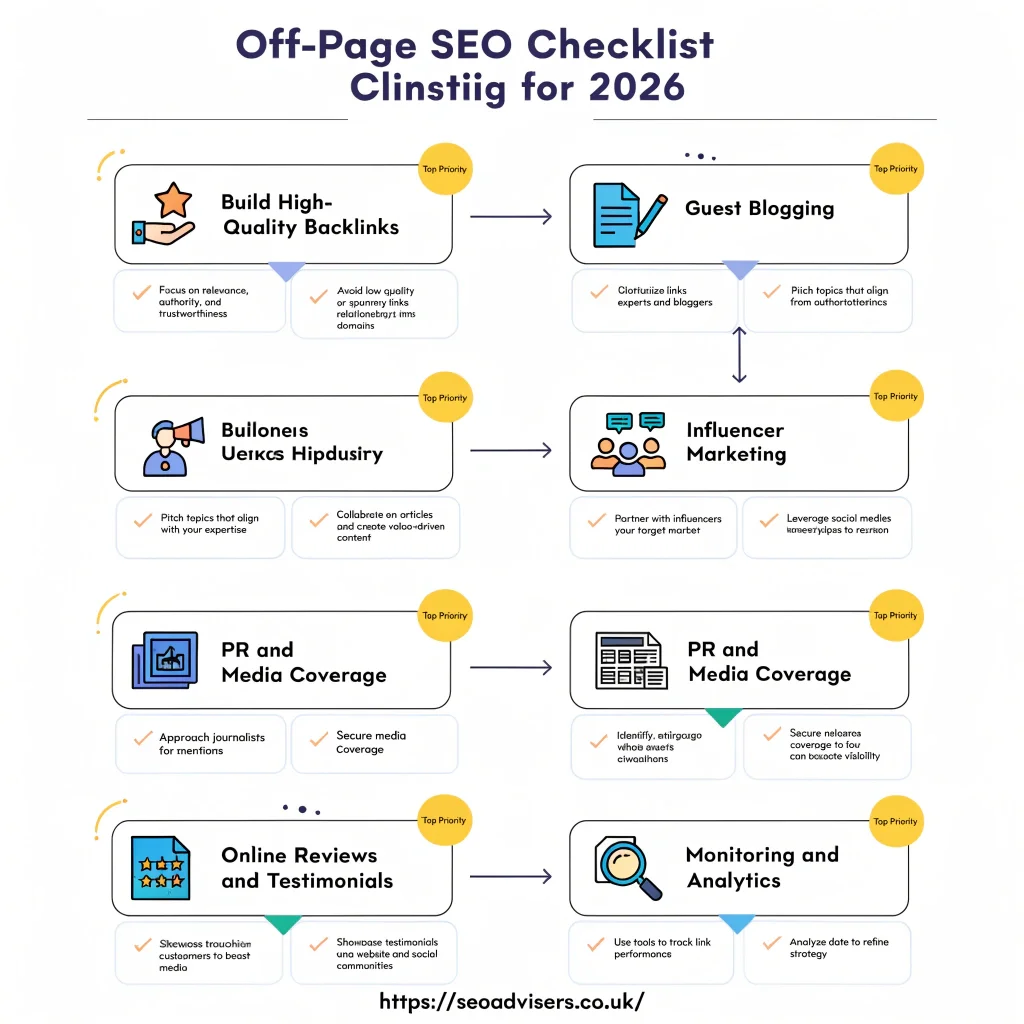
Following a structured checklist makes off-page SEO systematic and effective.
| Step | Action |
| Step 1 | Conduct a backlink audit to identify strengths and weaknesses. |
| Step 2 | Develop content promotion strategies targeting authoritative websites. |
| Step 3 | Create linkable assets like infographics, guides, and interactive tools. |
| Step 4 | Launch guest posting campaigns on relevant sites. |
| Step 5 | Implement influencer outreach and digital PR campaigns. |
| Step 6 | Monitor backlinks, brand mentions, and social signals. |
| Step 7 | Adjust strategies based on analytics and emerging trends. |
This step-by-step process ensures continuous growth in authority, backlinks, and search rankings.
Conclusion
OFF Page SEO is essential for improving website authority, building backlinks, and boosting search engine rankings. By focusing on high-quality link building, content promotion, influencer outreach, and social engagement, your website can gain credibility and visibility.
A consistent and monitored approach ensures long-term SEO success and helps your site outperform competitors.
Frequently Asked Questions About Off-Page SEO
Q1. What is the difference between on-page and off-page SEO?
On-page SEO focuses on optimizing your website content and structure, while OFF Page SEO emphasizes external signals such as backlinks, brand mentions, and social engagement.
Q2. How do backlinks improve Google rankings?
Backlinks from high-authority, relevant websites signal trustworthiness and authority to search engines, helping your pages rank higher.
Q3. What are the most effective off-page SEO strategies in 2026?
High-quality link building, influencer outreach, content promotion, digital PR, and online reputation management are the most effective strategies.
Q4. How can small businesses leverage off-page SEO without a large budget?
Small businesses can focus on guest posting, linkable content creation, social engagement, and local partnerships to build authority cost-effectively.
Q5. How do I track the ROI of my off-page SEO efforts?
Use tools like Ahrefs, SEMrush, Moz, and Google Analytics to monitor backlinks, referral traffic, domain authority, and social engagement.