If you are spending money on search ads and not seeing the results you expected, the problem is usually not your budget. It is the strategy behind it. A search engine marketing consultant brings structure, expertise, and accountability to your paid search efforts so every dollar works toward measurable business growth. This is a complete guide to what SEM consulting involves, how it works, and how to find the right person for the job.
What Does a Search Engine Marketing Consultant Do?
Core Responsibilities of an SEM Consultant
A search engine marketing consultant manages the full lifecycle of your paid search campaigns. That means handling everything from keyword research and ad copy creation to bid management and conversion tracking. The goal is straightforward: get your business in front of the right people at the right time, using Google Ads and other PPC platforms, and make every dollar count. From my experience running campaigns across different verticals, the real skill is not just setting things up but knowing how to read the data and adjust fast.
How SEM Consultants Improve Campaign Performance
A good SEM consultant improves campaign performance by focusing on what actually moves results. That includes tightening audience targeting, refining ad copy based on real click and conversion data, adjusting bids for high-performing keywords, and fixing weak landing pages. Every campaign has waste. The consultant’s job is to find it, cut it, and redirect budget toward what works. I have personally seen accounts cut their cost per click in half just by restructuring campaigns and improving quality score.
Difference Between SEM Consultant and SEO Consultant
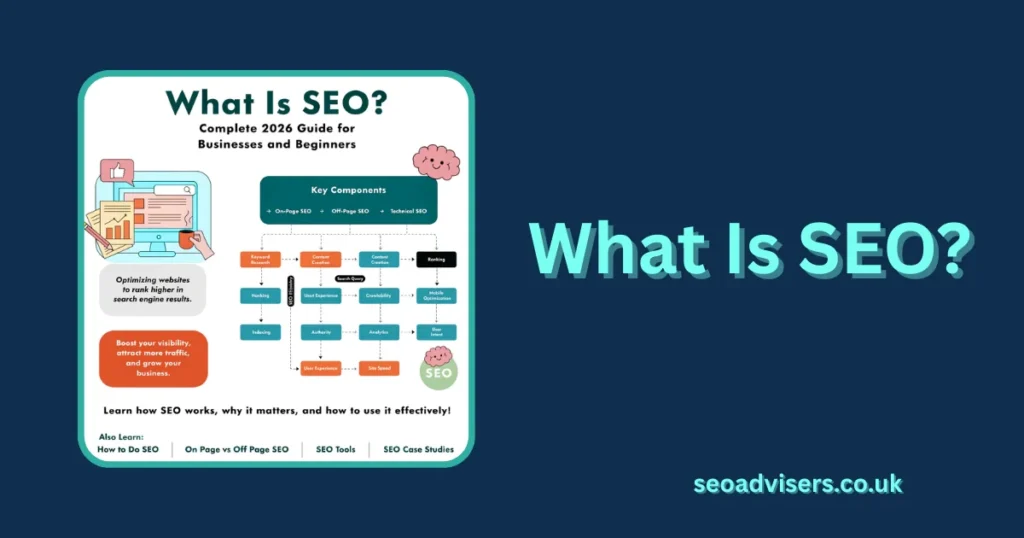
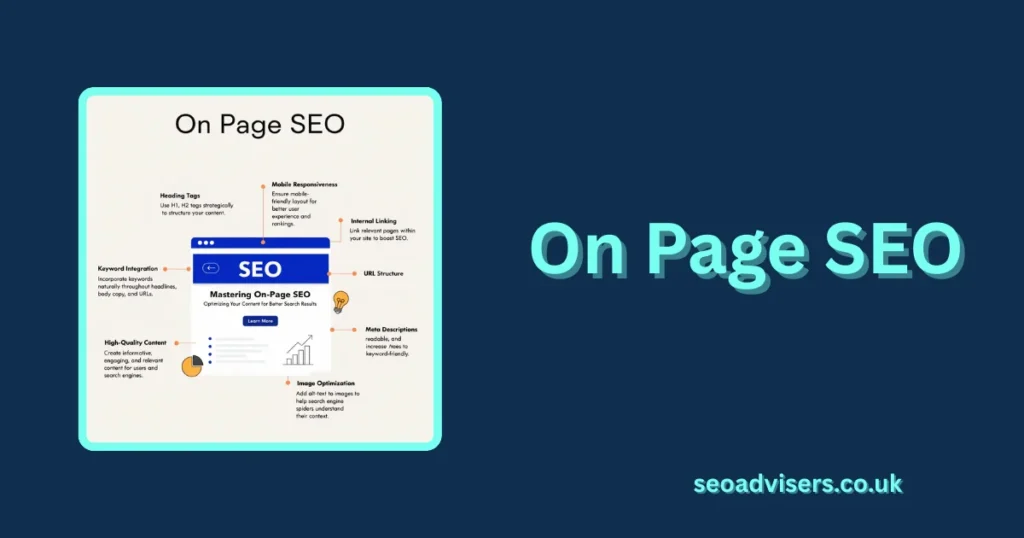
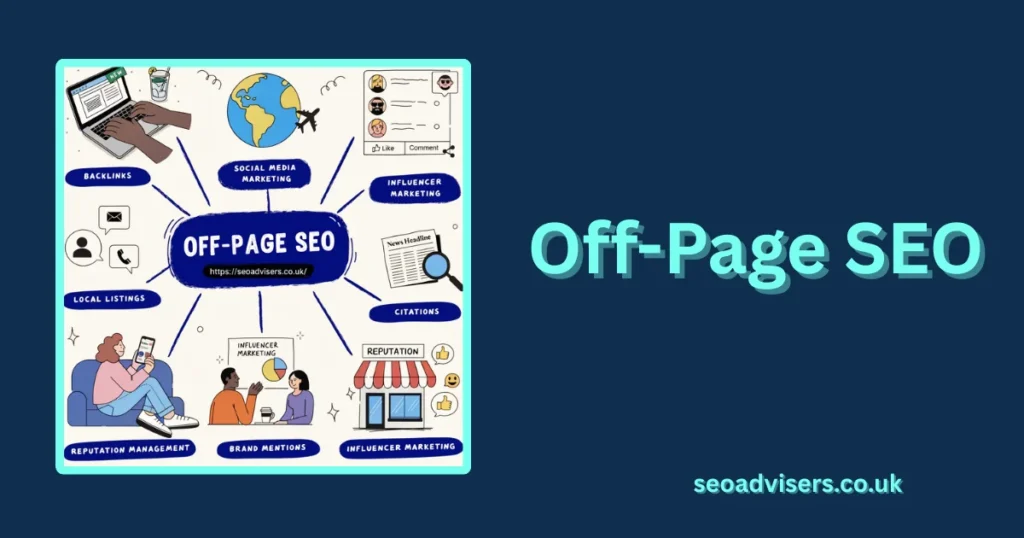
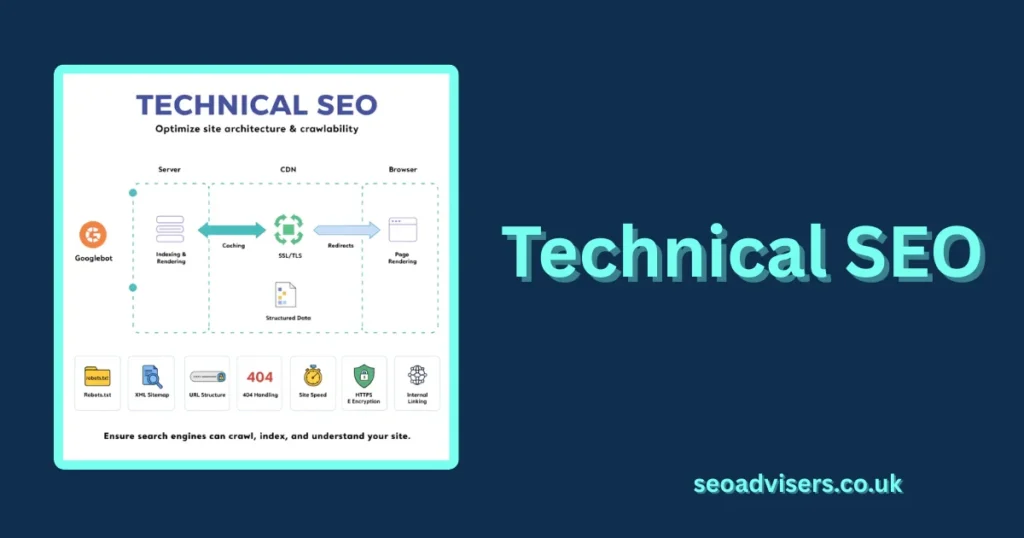
An SEO consultant focuses on organic search rankings, which means optimizing your website content, technical structure, and backlinks over time. An SEM consultant, on the other hand, works with paid search advertising. Both disciplines aim to get you visibility on search engines, but SEM delivers faster results because you are paying for placement. The best outcomes usually happen when both SEM and SEO work together, but they require very different skill sets and strategies.
Why Your Business Needs a Search Engine Marketing Consultant
Faster Lead Generation Through Paid Search
Paid search puts your business at the top of search engine results almost immediately. Unlike SEO, which takes months, a well-structured SEM campaign can start generating leads within days. A search engine marketing consultant knows how to set this up properly so you are not wasting money on irrelevant clicks. Speed matters, especially when you are launching a new product or entering a competitive market.
Better ROI From Advertising Budgets
Most businesses that run Google Ads without professional help are overspending. An SEM consultant structures campaigns to maximize return on investment by focusing on high-intent keywords, setting proper bid strategies, and eliminating wasted spend through negative keyword lists. Better ROI is not about spending less; it is about spending smarter, and that is exactly what a consultant brings to the table.
Advanced Keyword and Audience Targeting
Effective targeting goes beyond picking popular keywords. A consultant segments your audience by demographics, location, device, and even time of day. Layering keyword targeting with audience targeting means your ads reach people who are genuinely ready to buy or inquire. I have found that proper audience segmentation alone can improve conversion rates by 30% or more without changing anything else about the campaign.
Data-Driven Decision Making
Every click, impression, and conversion tells a story. An SEM consultant uses analytics and performance data to make decisions, not guesses. This data-driven approach means campaigns get better over time because changes are based on evidence. From conversion tracking setups to attribution modeling, the consultant ensures you know exactly where your results are coming from and why.
Our Search Engine Marketing Consulting Services
Google Ads Strategy & Campaign Setup
We build Google Ads campaigns from the ground up, starting with your business goals and working backward into the right account structure. That means proper campaign types, ad group organization, match type selection, and ad copy that actually speaks to your customer. A solid strategy at the beginning saves thousands in wasted budget down the line.
PPC Campaign Management
PPC campaign management is ongoing work. We monitor bids, adjust budgets, test new ad variations, and pause underperforming keywords on a regular basis. The search landscape changes constantly, and your campaigns need active management to stay competitive. Set-it-and-forget-it is how you lose money in paid search.
Keyword Research for Paid Search
Keyword research for paid search is different from SEO keyword research. We focus on commercial intent, cost per click viability, and competition levels. The right keywords connect you with people who are ready to take action, not just browse. We also build out negative keyword lists to prevent your ads from showing up for irrelevant searches.
Landing Page Optimization
A great ad is wasted if it sends traffic to a poor landing page. We optimize your landing pages for speed, clarity, and conversion. That means clear headlines, a strong call to action, fast load times, and messaging that matches what the ad promised. Landing page optimization is often the highest-leverage thing you can do to improve campaign results.
Conversion Tracking & Analytics Setup
Without proper conversion tracking, you are flying blind. We set up Google Analytics, Google Ads conversion tags, and any other tracking tools needed to measure exactly what is happening after someone clicks your ad. Accurate tracking is the foundation of every smart SEM decision.
A/B Testing for Ad Performance
A/B testing is how we find what works best. We test different headlines, descriptions, landing pages, and even audience segments against each other. Over time, these incremental improvements compound. I have run tests where a single headline change improved click-through rates by 40%, which directly translated to more leads at a lower cost.
Our Proven Search Engine Marketing Process
Initial Business & Competitor Analysis
We start by understanding your business, your customers, and your competitors. A thorough competitor analysis reveals what others in your space are bidding on, how their ads are structured, and where there are gaps you can exploit. This research shapes every decision that follows.
Keyword & Market Research
Market research and keyword research go hand in hand. We identify the search terms your ideal customers use, map them to the buying journey, and estimate traffic and cost projections. This gives you a realistic picture of what to expect before a single dollar is spent.
Campaign Setup and Optimization
Once research is complete, we build out the campaigns. This includes writing ad copy, setting up targeting parameters, configuring bid strategies, and connecting conversion tracking. Initial optimization happens immediately based on early performance signals.
Performance Monitoring and Reporting
We provide transparent reporting that shows exactly where your money is going and what it is producing. Performance monitoring is continuous, not monthly. Real-time adjustments keep your campaigns on track and prevent small issues from becoming expensive problems.
Continuous Growth and Scaling
Once a campaign is profitable, the next step is scaling. That means expanding into new keywords, testing new audience segments, increasing budgets strategically, and exploring additional PPC platforms. Growth should be methodical, not reckless.
Industries That Benefit From SEM Consulting
eCommerce Businesses
eCommerce businesses rely on paid search to drive product sales at scale. Shopping campaigns, remarketing, and dynamic search ads are all tools an SEM consultant uses to get eCommerce brands in front of buyers who are actively searching for what they sell.
Local Service Providers
If you run a local service business, search engine marketing connects you with nearby customers who need what you offer right now. Location-based targeting and local search ads make sure your advertising budget is spent on people in your actual service area.
SaaS Companies
SaaS companies often have long sales cycles and high customer lifetime values, which makes paid search a strong acquisition channel. An SEM consultant can structure campaigns around trial signups, demo requests, and feature-specific keywords that attract qualified users.
B2B Businesses
B2B businesses benefit from SEM because their buyers are actively searching for solutions. The key is reaching decision-makers with the right message. A consultant tailors campaigns to account for longer buying cycles and multiple stakeholders, ensuring lead quality stays high.
Real Results From Our SEM Campaigns
Lead Generation Growth Case Study
A B2B services firm came to us with a stagnant Google Ads account. After restructuring campaigns, refining keyword targeting, and rebuilding landing pages, lead generation increased by 212% within four months while keeping cost per lead stable.
PPC Cost Reduction Case Study
An eCommerce brand was overspending on broad match keywords. We implemented tighter match types, negative keyword lists, and restructured ad groups. Cost per click dropped 47% while maintaining the same conversion volume.
Conversion Rate Improvement Example
A SaaS company had strong traffic but low conversion rates. Through systematic A/B testing of landing pages and ad copy variations, the conversion rate rose from 2.1% to 8.2%, more than tripling trial signups from the same ad spend.
Key Benefits of Hiring an SEM Consultant
Cost-Effective Advertising
Cost-effective advertising does not mean cheap. It means extracting maximum value from every dollar. An SEM consultant reduces wasted spend by continuously refining keyword lists, improving quality scores, and optimizing bid strategies. The result is more conversions for the same or lower budget.
Targeted Traffic From Search Engines
Targeted traffic means visitors who are actively looking for what you sell. Search engine marketing captures this demand at the exact moment of intent. Unlike social media ads, which interrupt people, search ads respond to a need someone has already expressed.
Improved Conversion Rates
Higher conversion rates come from better alignment between what the searcher wants and what they find on your landing page. An SEM consultant ensures that your ads, keywords, and pages work together as a system. When every piece of the funnel is aligned, conversion rates climb naturally.
Competitive Advantage in Paid Search
Your competitors are bidding on the same keywords. A consultant gives you an edge through smarter structures, better ad copy, more relevant landing pages, and tighter audience targeting. Competitive advantage in paid search comes from execution, not just budget.
Search Engine Marketing vs SEO
When to Use SEM
SEM is the right choice when you need results quickly. Launching a new product, running a seasonal promotion, or entering a competitive market are all situations where paid search gives you immediate visibility. It is also ideal when you have a clear conversion goal and want to test messaging and audience response in real time. If you cannot afford to wait months for organic rankings to build, SEM gets you to the top of search results today.
When SEO Works Better
SEO is the better investment when you are building for the long term. If your business publishes a lot of content, has a strong domain, and can wait for compounding returns, organic search delivers traffic at no per-click cost. SEO also tends to build more trust with users since organic results are perceived as more credible. For informational queries and top-of-funnel awareness, SEO is often the more efficient channel.
How SEM and SEO Work Together
The strongest search marketing strategies use both SEM and SEO in coordination. SEM data reveals which keywords convert, and that intelligence feeds your SEO content strategy. Meanwhile, SEO builds organic presence for keywords where you are currently paying for clicks, allowing you to reduce ad spend over time without losing visibility. I have worked with clients where combining both channels reduced overall customer acquisition cost by 35% compared to running either in isolation. The two disciplines are complementary, and treating channels.
Latest Search Engine Marketing Trends in 2026
The search engine marketing landscape keeps evolving. In 2026, the biggest shifts include the growing role of AI in bid management, the expansion of Performance Max campaigns across Google’s properties, and increasingly sophisticated audience targeting options. Privacy regulations continue to reshape how conversion tracking works, pushing consultants to adopt first-party data strategies and server-side tracking. Staying current with these trends is not optional; it is the difference between campaigns that grow and campaigns that stagnate.
AI and Automation in SEM Campaigns
AI and automation have become central to modern SEM. Smart bidding strategies, responsive search ads, and automated targeting recommendations are now standard features in Google Ads. But here is the thing: automation works best when a skilled consultant sets the parameters and interprets the results. The algorithm handles the math, but the consultant provides the strategy, the creative direction, and the business context that machines simply do not have. I have seen accounts that leaned entirely on automation without oversight and wasted significant budgets before anyone noticed.
Voice Search and Paid Search Advertising
Voice search continues to grow, and it is starting to influence paid search advertising. People use longer, more conversational queries when they speak rather than type. This affects keyword selection and ad copy strategy. A forward-thinking SEM consultant already accounts for voice search patterns in their keyword research and campaign structure, ensuring your ads remain relevant regardless of how someone searches.
How to Choose the Right Search Engine Marketing Consultant
Experience With Google Ads and PPC Platforms
Look for someone who has hands-on experience managing real Google Ads accounts and other PPC platforms. Certifications are fine, but actual campaign management experience across different industries and budgets is what separates a competent consultant from a textbook one.
Transparent Reporting and Analytics
A trustworthy SEM consultant provides transparent reporting. You should always know how your budget is being spent, what keywords are performing, and how campaigns are trending. If reporting feels vague or infrequent, that is a red flag.
Proven Campaign Results
Ask for case studies and real examples. Proven results with measurable numbers are the best indicator of future campaign performance. Any consultant worth hiring should be able to show you what they have achieved for clients in similar situations.
Clear Communication and Strategy
Clear communication is non-negotiable. Your consultant should explain strategy in plain language, respond promptly, and be proactive about sharing insights. You are trusting them with your advertising budget, and that relationship needs a strong foundation of clarity.
Search Engine Marketing Consultant Pricing
Monthly SEM Consulting Fees
Monthly SEM consulting fees typically range from $1,000 to $5,000 or more depending on account complexity and ad spend. This model works well for businesses that need ongoing campaign management, continuous optimization, and regular reporting. You get consistent attention and steady improvements over time.
Project-Based Consulting
Project-based consulting is ideal if you need specific work done, like a full account audit, campaign restructuring, or initial Google Ads setup. Pricing is agreed upfront, and you know exactly what deliverables to expect. It is a good option for businesses that have internal teams but need expert guidance at certain points.
Performance-Based SEM Services
Some consultants offer performance-based pricing where fees are tied to results, such as leads generated or revenue driven. This aligns incentives but requires a high level of trust and accurate conversion tracking. Not every business or consultant is the right fit for this model, but when it works, it is very effective.
Common Challenges Businesses Face With SEM
High Cost Per Click
High cost per click is one of the most common frustrations. It usually stems from poor account structure, broad keyword matching, or low quality scores. An SEM consultant addresses this by restructuring campaigns, improving ad relevance, and using more specific match types to bring costs down without losing volume.
Low Conversion Rates
Low conversion rates often point to a disconnect between the ad and the landing page. If people are clicking but not converting, the issue is usually on-page: unclear messaging, slow load times, or a confusing user experience. Fixing the landing page is almost always the first thing we look at when conversions are underperforming.
Poor Keyword Targeting
Poor keyword targeting means your ads show up for searches that have nothing to do with your business. This wastes money and skews your data. Regular search term reviews and aggressive negative keyword management are essential to keeping your targeting sharp and your budget focused.
Ineffective Ad Copy
Ineffective ad copy fails to differentiate you from competitors. If your ads read like everyone else’s, you will blend into the results. Strong ad copy speaks directly to the searcher’s problem, offers a clear benefit, and includes a compelling reason to click. We test multiple versions continuously to find what resonates.
Tools Used by Professional SEM Consultants
Google Ads
Google Ads is the primary platform for search engine marketing. It is where campaigns are built, managed, and optimized. A consultant who knows Google Ads inside and out can leverage features like automated bidding, responsive search ads, and audience layering to get the most out of every campaign.
Google Analytics
Google Analytics provides the full picture of what happens after someone clicks your ad. From bounce rates to conversion paths, this tool is essential for understanding user behavior and making informed optimization decisions. We rely on it daily to connect ad performance to actual business outcomes.
SEMrush / Ahrefs
SEMrush and Ahrefs are indispensable for competitor analysis, keyword research, and tracking search engine visibility. These tools reveal what your competitors are spending, which keywords they are targeting, and where there are opportunities you might be missing.
Conversion Tracking Tools
Beyond Google Analytics, we use conversion tracking tools like Google Tag Manager, call tracking software, and CRM integrations to capture every meaningful interaction. Accurate tracking is the backbone of data-driven SEM, and getting it right from the start makes everything else work better.
Conclusion: SEM Consultant
A search engine marketing (SEM) consultant helps businesses reach the right audience, manage ad budgets, and improve conversion rates. By using targeted keywords, clear ad messaging, and data-driven strategies, consultants turn clicks into real leads.
Businesses of all sizes can achieve measurable growth, better ROI, and consistent results with professional SEM guidance.
Frequently Asked Questions About Search Engine Marketing Consultants
Q1. What is a search engine marketing consultant?
A search engine marketing consultant is a specialist who helps businesses plan, execute, and optimize paid search campaigns on platforms like Google Ads. They handle keyword research, ad copy, bidding, targeting, and analytics to drive qualified traffic and conversions. Think of them as the person who makes sure your advertising money is working as hard as possible.
Q2. How much does SEM consulting cost?
SEM consulting costs vary widely. Monthly retainers usually start around $1,000 and can go well above $5,000 for complex accounts. Project-based work might range from $2,000 to $10,000 depending on scope. The cost should always be weighed against the return on investment the consultant delivers.
Q3. How long does it take to see results from SEM?
You can start seeing traffic and clicks within the first week of launching a campaign. Meaningful conversion data and optimization gains typically emerge within 30 to 90 days. SEM is faster than SEO, but achieving peak performance still requires ongoing testing and refinement.
Q4. Is SEM better than SEO?
Neither is universally better. SEM delivers faster results and works well for immediate lead generation. SEO builds long-term organic visibility and is more cost-effective over time. Most businesses benefit from using both. The right mix depends on your goals, budget, and timeline.
Q5. Can SEM guarantee leads or sales?
No honest consultant will guarantee specific leads or sales numbers. What they can guarantee is a structured, data-driven approach that maximizes your chances. SEM is not magic; it is a disciplined process. The right consultant dramatically improves your odds, but no one controls what the market does.