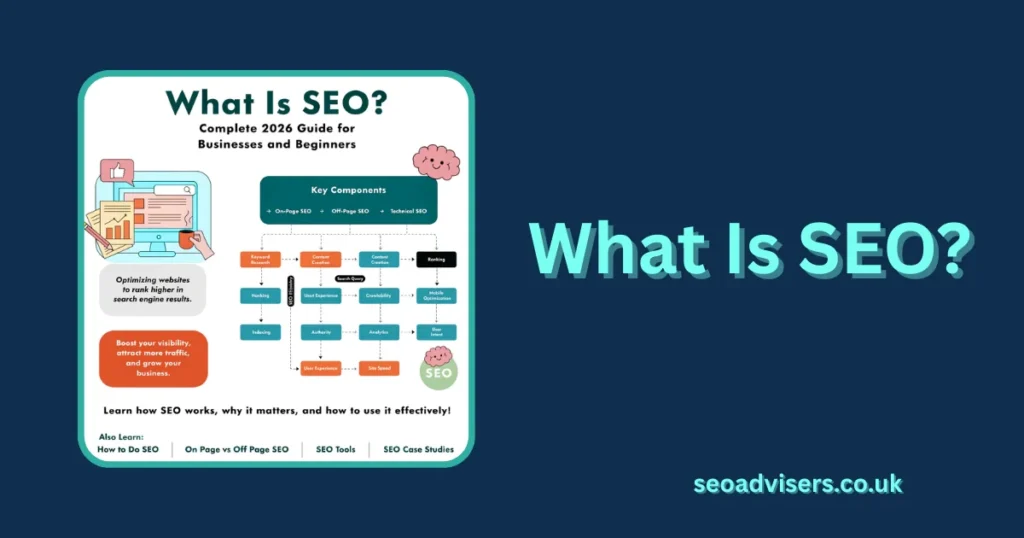
The rise of AI in content creation and search has sparked debates among marketers and business owners. Many ask, “Is SEO dead?” While AI tools are transforming how content is generated and ranked, SEO remains an essential part of online visibility. The truth is, SEO is evolving rather than disappearing. Understanding this shift is crucial for businesses and content creators who want to maintain a competitive edge.
How AI is Impacting Search
AI-driven algorithms, like Google’s RankBrain and BERT, are already influencing search results. AI helps search engines understand user intent better, analyze content relevance, and improve personalization. This means that websites relying solely on keyword stuffing or low-quality content may see a decline in traffic. On the other hand, sites that provide meaningful, well-structured, and user-focused content can benefit from AI-driven search improvements.
User Intent Matters More Than Ever
AI emphasizes understanding what users truly want. Instead of focusing on exact keywords, search engines now prioritize content that satisfies queries, answers questions comprehensively, and provides a smooth user experience. This shift makes semantic SEO and context-driven content strategies essential for modern marketing.
Understanding SEO in the AI Era
How AI reshapes search behavior and intent
In my experience working with SEO and AI-driven content, I’ve noticed that AI profoundly affects how users search and what they expect from results, shifting the focus from simple keywords to intent-driven queries.
Generative-engine optimization: the rising challenge to traditional SEO
Generative-engine optimization presents new hurdles for SEO professionals because AI-generated content floods search results, requiring marketers to emphasize quality, guidelines, and E-A-T to maintain authority and relevance.
AI search trends in 2026: people now seek information differently
Google AI Overview gives quick answers
With Google AI, users can access immediate summaries, making it essential for SEO to provide concise yet comprehensive content.
Google’s AI Mode for deeper research
For in-depth exploration, Google’s AI Mode encourages longer engagement, so structuring information clearly for technical algorithms becomes vital.
ChatGPT and other external AI programs
ChatGPT and other external AI programs now act as alternative search tools, meaning SEO must adapt to multiple AI touchpoints to retain visibility.
Social media and YouTube impact
Social platforms and YouTube amplify content discovery, influencing search trends and requiring SEO strategies that consider cross-channel presence.
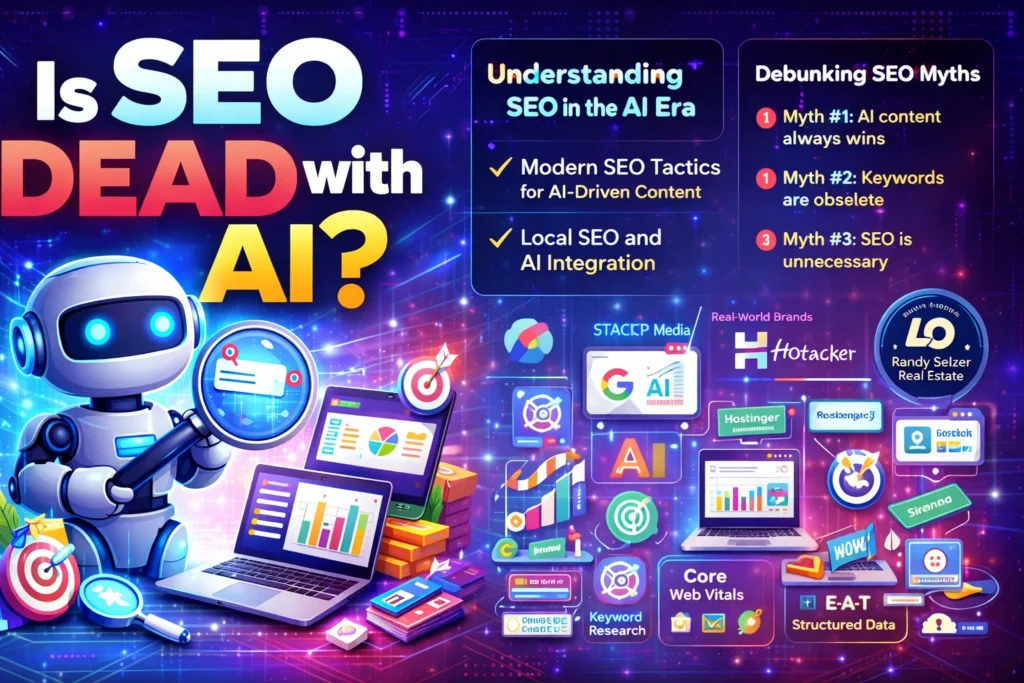
Debunking SEO Myths
Myth #1 – AI content ranks higher than human-written content
Contrary to common belief, AI content doesn’t automatically outperform human-crafted content; what matters is the user-focused, high-quality material.
Myth #2 – Keywords no longer matter in an AI world
While keywords may appear less critical, integrating semantic SEO and context-aware AI tools for keyword discovery ensures content matches evolving user queries.
Myth #3 – SEO is purely technical; content quality doesn’t count
Even in an AI-driven world, neglecting content quality, E-A-T, and structured data will harm performance because algorithms now value usefulness over technical manipulation alone.
Modern SEO Tactics in an AI-Driven World
Ensuring quality, guidelines, and E-A-T in AI-generated content
Maintaining E-A-T is essential when creating AI-generated content, combining human oversight with algorithm-friendly formatting to retain credibility.
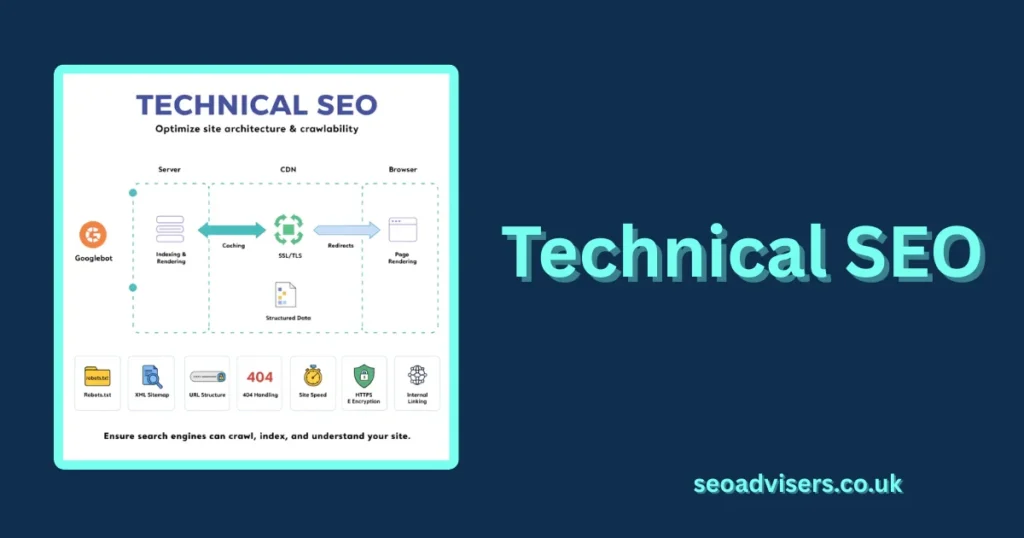
On-page and technical SEO optimization for AI content
Optimizing on-page SEO, headings, meta information, and site speed continues to matter for both traditional and AI search results.
Backlink strategies that still work
Quality backlinks remain a strong indicator of authority, helping AI search understand a site’s credibility.
SEO for AI search uses the same principles as traditional SEO
Directly answer the search query with helpful content
Content must directly answer what users are asking while remaining clear and concise.
Structure information clearly for technical algorithms
Organizing content hierarchically improves readability for both users and AI, enhancing site functionality and ranking.
Improve site functionality to create a user-friendly website
Prioritizing speed, responsiveness, and navigation supports core web vitals and engagement metrics.
Structured data
Implementing structured data ensures search engines and AI understand content context, improving visibility in enhanced search results.
Brand authority
Establishing brand authority strengthens trust signals and ensures AI-powered recommendations consider your content as credible.
AI-Powered Keyword Research and Optimization
Using AI tools for keyword discovery
AI tools for keyword discovery help identify high-value search terms and long-tail opportunities, improving targeting efficiency.
Integrating AI suggestions with user intent
Marrying AI-generated suggestions with user intent ensures content answers questions effectively without appearing formulaic.
Measuring and refining AI-generated keyword strategies
Tracking performance and adjusting AI keyword strategies over time maintains relevance as search behavior evolves.
Improving User Experience and Site Performance
Core Web Vitals and AI-generated content
Ensuring Core Web Vitals are optimized remains critical when publishing AI-generated content to provide smooth experiences and reduce bounce rates.
Personalization and engagement metrics
Personalization and tracking engagement metrics help refine content delivery for different audience segments, boosting both retention and ranking.
Balancing speed with rich AI-driven features
A careful balance between site speed and advanced AI features is essential; rich media should not compromise performance.
SEO Isn’t Dead – It’s Just Evolving
Key indicators of SEO’s continued relevance
SEO’s value persists in driving organic visibility, traffic, and measurable user engagement, even as AI-generated content grows.
How to adapt your strategy to AI-driven shifts
Updating strategies, aligning with AI search trends, and maintaining E-A-T ensures your SEO stays effective.
Real-world brands blending AI and SEO successfully
STACK Media – Getting into top search results
STACK Media leverages AI briefs while following traditional SEO principles to secure top positions.
Hostinger – Scaling web-hosting content with AI briefs
Hostinger scales content efficiently using AI-driven outlines, preserving human oversight to maintain quality.
Randy Selzer Real Estate – Schema wins for a solo agent
Schema implementation helped Randy Selzer Real Estate remain competitive despite limited resources, blending SEO and AI effectively.
Local SEO and AI Integration
Is local SEO dead?
Local SEO remains critical, and AI can enhance visibility for regional searches by refining Search Everywhere Optimization strategies.
Search Everywhere Optimization: combining AI and local SEO
Integrating AI tools with local SEO tactics improves discovery and engagement for geographically targeted audiences.
Key Takeaways
Core lessons for marketers in the AI era
The key is quality content, structured data, and E-A-T, coupled with monitoring user behavior to adapt strategies continually.
Focus metrics and measurement evolution
Tracking engagement, site speed, backlinks, and AI-driven metrics ensures marketers stay aligned with evolving SEO and AI trends.
Conclusion: SEO and AI
SEO is far from dead—it’s evolving alongside AI-driven search and content tools. Success now depends on high-quality, user-focused content, adherence to E-A-T, and technical optimization. By blending traditional SEO principles with AI insights, businesses can maintain visibility, improve engagement, and stay competitive in an AI-powered digital landscape.
The key is to adapt strategies continually, track performance, and prioritize both user experience and search engine guidelines.
Frequency Asked Questions About Is SEO Dead With AI
Q1: Is SEO dead because of AI?
No. SEO is evolving. AI changes how search engines evaluate content, emphasizing user intent, quality, and structured data, but SEO remains essential for visibility.
Q2: How can AI help my SEO strategy?
AI can assist with keyword research, content optimization, personalization, and analyzing user behavior to make SEO more efficient and data-driven.
Q3: Do AI-generated contents rank better than human-written content?
Not automatically. Search engines prioritize quality, relevance, and user experience. AI content must follow SEO best practices and E-A-T guidelines to perform well.
Q4: Will local SEO be affected by AI?
Local SEO remains critical. AI can enhance visibility for regional searches by improving relevance, personalization, and Search Everywhere Optimization strategies.
Q5: How do I start SEO strategies compatible with AI?
Focus on high-quality content, semantic keywords, structured data, Core Web Vitals, and E-A-T, while using AI tools to align with user intent and search trends.