When I explain SEO clusters to clients, I usually start with the Introduction to SEO because understanding the foundation makes every advanced tactic easier to apply. An SEO cluster approach organizes content around a main topic and several related subtopics so search engines and readers both see clear relationships between pages. Instead of publishing isolated articles, the website builds a structured knowledge base where each page supports the main topic. This model improves navigation, topical authority, and long term organic visibility.
What is SEO
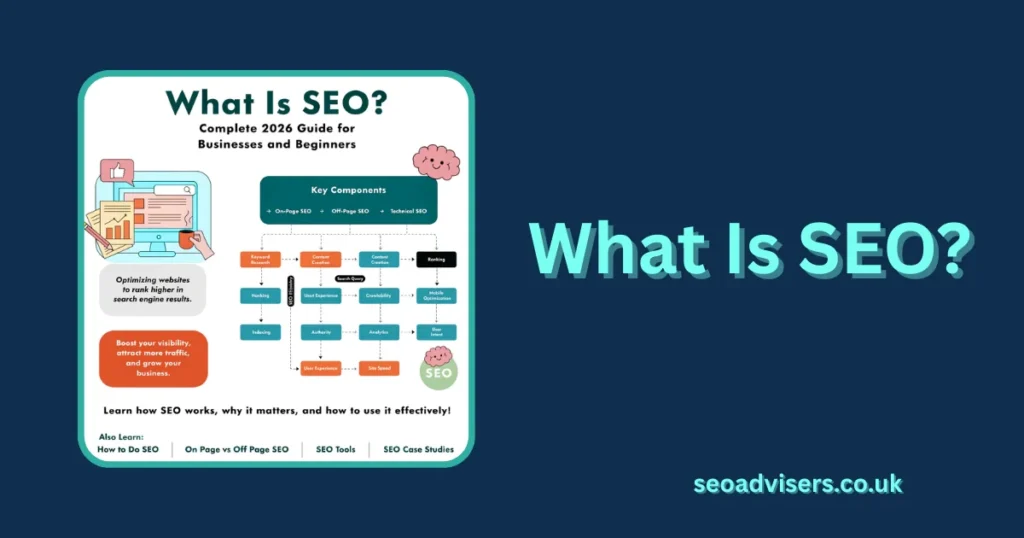
Many beginners ask me What is SEO, and the simplest answer is that it is the process of improving a website so search engines can understand and rank it for relevant searches. SEO clusters strengthen this process by connecting related content through internal links, helping search engines interpret the topic context more accurately.
Why SEO is Important
From my experience working with growing websites, understanding Why SEO is Important often changes how businesses approach content. Search visibility allows people to find useful information naturally, and cluster based structures make that information easier to organize and maintain.
How Search Engines Work
To understand clusters properly you must know How Search Engines Work. Search engines crawl websites, analyze links between pages, evaluate relevance, and then rank pages based on usefulness and authority. When a cluster structure is present, the internal connections signal topical depth.
On-Page SEO
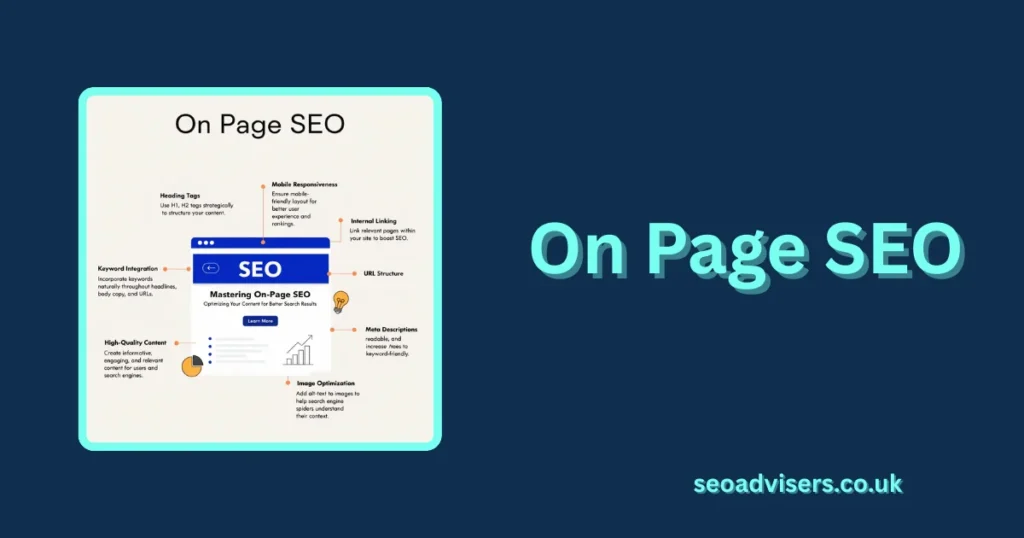
A strong On-Page SEO foundation is essential for SEO clusters because each page in the cluster must clearly communicate its topic to search engines and readers. On page elements help search engines interpret content relevance while also improving readability and engagement.
Title Tag Optimization
Proper Title Tag Optimization ensures each cluster page clearly communicates its topic. Titles should reflect the main keyword while staying readable and helpful so that both users and search engines quickly understand the subject of the page.
Best Practices for Title Tags
In my experience the Best Practices for Title Tags include writing concise titles, keeping the primary keyword visible, and ensuring the title reflects the real content of the page rather than trying to force extra keywords.
Ideal Title Length
Choosing the Ideal Title Length helps search engines display the complete title in results pages while maintaining clarity. Shorter titles are easier to read and usually perform better in search results.
Keyword Placement in Title
Strategic Keyword Placement in Title helps search engines understand the page focus quickly. Placing the main keyword near the beginning often improves clarity and relevance signals.
Meta Descriptions
Although they do not directly control rankings, Meta Descriptions influence how users interact with search results. A clear summary encourages clicks and sets expectations about the page content.
Writing Effective Meta Descriptions
When Writing Effective Meta Descriptions, I recommend summarizing the value of the page in a natural sentence that reflects what readers will actually find after clicking.
Recommended Length
Following a Recommended Length ensures the full description appears in search results without being truncated, making it easier for users to evaluate the page before visiting.
CTR Optimization
Focusing on CTR Optimization means crafting descriptions that attract attention while still accurately describing the page content.
Header Tags Structure
A clear Header Tags Structure helps both search engines and readers navigate long articles, especially in SEO cluster pillar pages where information is organized into multiple sections.
H1 Tag Best Practices
Applying H1 Tag Best Practices ensures the main heading clearly reflects the page topic and appears only once, helping search engines understand the primary subject.
H2, H3 Hierarchy
Using a logical H2, H3 Hierarchy creates a structured reading flow and improves content organization across cluster pages.
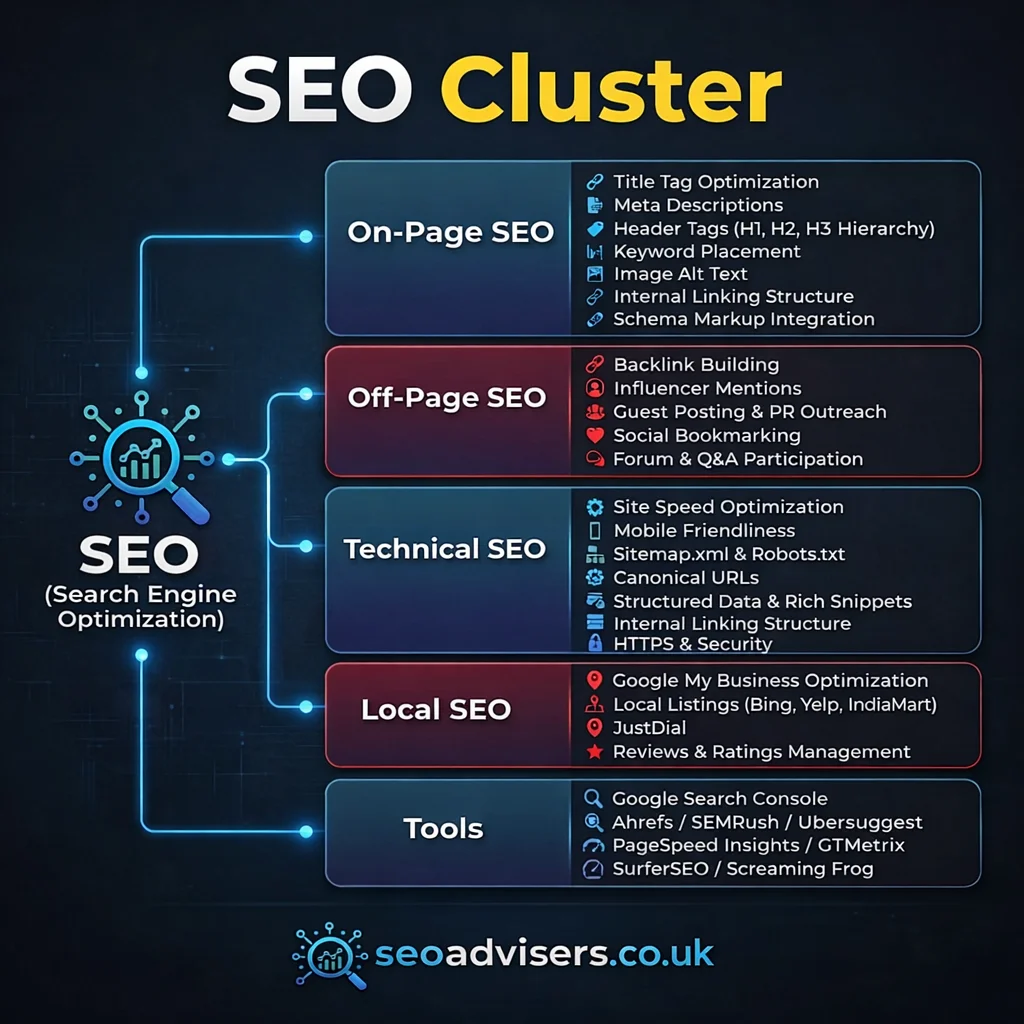
SEO Benefits of Proper Heading Structure
The SEO Benefits of Proper Heading Structure include improved readability, clearer topic segmentation, and better understanding for search engines.
Keyword Placement
Effective Keyword Placement plays an important role when building an SEO cluster because every page in the cluster must clearly communicate its focus to search engines. When keywords are placed naturally in headings, introduction, and supporting sections, the page becomes easier for search engines to interpret while also remaining readable for users. From my experience managing large content hubs, the best performing cluster pages always balance relevance with readability rather than forcing keywords into every sentence.
Primary Keyword Placement
Correct Primary Keyword Placement ensures that the main topic of a page is immediately clear. The keyword should appear in the title, the opening section, and within relevant headings so that both readers and search engines understand the purpose of the content.
LSI Keywords
Using LSI Keywords helps search engines understand context by connecting related concepts within the article. When an SEO cluster page naturally includes related phrases and supporting terminology, the page becomes more comprehensive and relevant for multiple search queries.
Keyword Density
Maintaining balanced Keyword Density helps prevent content from feeling repetitive or unnatural. Instead of counting exact percentages, it is more effective to focus on clear explanations and natural language that supports the topic.
Image SEO
Well optimized images improve user engagement and contribute to overall Image SEO. In cluster based content, images often explain complex ideas, demonstrate processes, or break up long sections of text, which makes the page easier to read.
Image Alt Text
Descriptive Image Alt Text helps search engines understand what the image represents while also improving accessibility for users who rely on screen readers.
Image File Names
Clear Image File Names provide additional context about the content of an image and help search engines interpret visual assets more effectively.
Image Compression
Efficient Image Compression reduces file size without sacrificing quality, which improves page speed and overall user experience.
Internal Linking
Strategic Internal Linking is the backbone of an SEO cluster because it connects pillar pages with supporting content. When internal links are used thoughtfully they guide readers through related topics and help search engines map the relationships between pages.
Anchor Text Optimization
Effective Anchor Text Optimization ensures that the clickable text of a link clearly describes the destination page. This improves both usability and search engine understanding.
Link Structure Strategy
A strong Link Structure Strategy connects all cluster pages back to the pillar content while also linking relevant supporting articles together.
Silo Structure
Using a Silo Structure organizes content into clear topic groups so search engines can recognize the authority of the site in a specific subject area.
Schema Markup
Implementing Schema Markup helps search engines interpret page content more accurately and can improve the appearance of results in search listings.
Structured Data Basics
Understanding Structured Data Basics allows website owners to add additional context to their pages so search engines can categorize and display information more effectively.
Rich Snippets
When implemented properly Rich Snippets can display additional information in search results which increases visibility and improves user engagement.
Schema Implementation
Careful Schema Implementation ensures that structured data is applied correctly and supports the content structure of the website.
Off-Page SEO
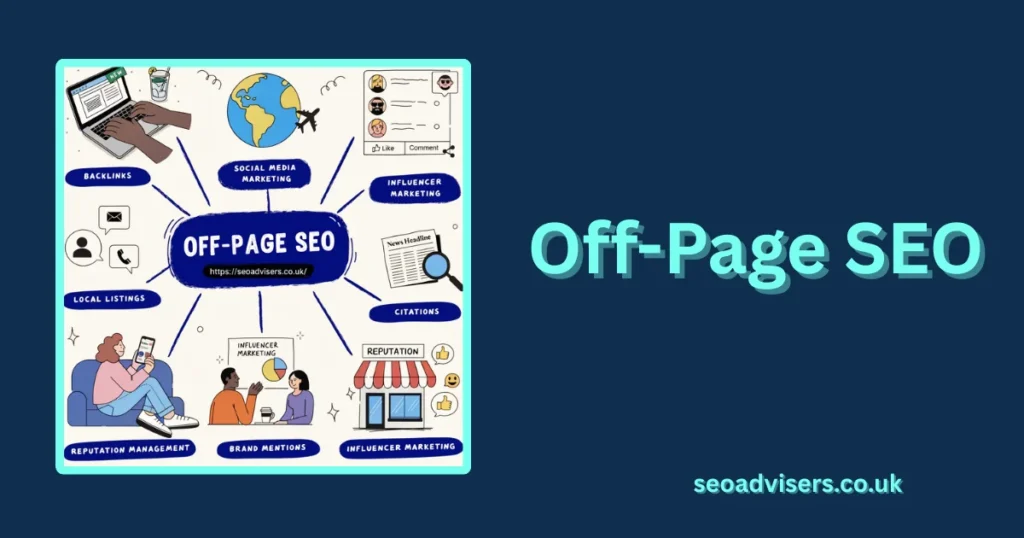
Strong Off-Page SEO complements an SEO cluster strategy by building authority beyond the website itself. External signals such as links, mentions, and engagement help search engines evaluate the credibility of the content.
Backlink Building
Effective Backlink Building strengthens the authority of cluster pages because links from other websites signal trust and relevance.
High Quality Backlinks
Earning High Quality Backlinks from reputable websites provides stronger authority signals than large numbers of low value links.
Natural Link Building
Sustainable Natural Link Building occurs when useful content attracts links because people find it valuable and worth referencing.
DoFollow vs NoFollow
Understanding DoFollow vs NoFollow links helps site owners manage how link authority flows between websites.
Influencer Mentions
Gaining Influencer Mentions can expand the reach of content and introduce it to new audiences.
Collaboration Strategy
A thoughtful Collaboration Strategy allows brands and creators to work together while sharing knowledge and audiences.
Brand Mentions
Unlinked Brand Mentions can still signal credibility when search engines recognize a brand being referenced across the web.
Guest Posting & Outreach
Effective Guest Posting & Outreach helps build relationships with other websites and expand the reach of valuable content.
Finding Guest Posting Sites
Successful Finding Guest Posting Sites requires identifying platforms that share a similar audience and publishing standards.
Outreach Email Strategy
A respectful Outreach Email Strategy focuses on offering genuine value rather than simply requesting links. Contact with Outreach Expert.
Social Bookmarking
Strategic Social Bookmarking can help distribute content to communities that actively share useful resources.
Popular Bookmarking Sites
Using Popular Bookmarking Sites increases the visibility of valuable articles and can introduce them to new audiences.
Content Promotion Strategy
A thoughtful Content Promotion Strategy ensures that each article reaches readers who are interested in the topic.
Forums & Q&A Participation
Active Forums & Q&A Participation allows experts to answer questions while sharing helpful resources.
Answer Platforms
Participating on Answer Platforms can help build trust with audiences who are searching for practical solutions.
Authority Building
Consistent contributions support Authority Building by demonstrating expertise and reliability.
Technical SEO
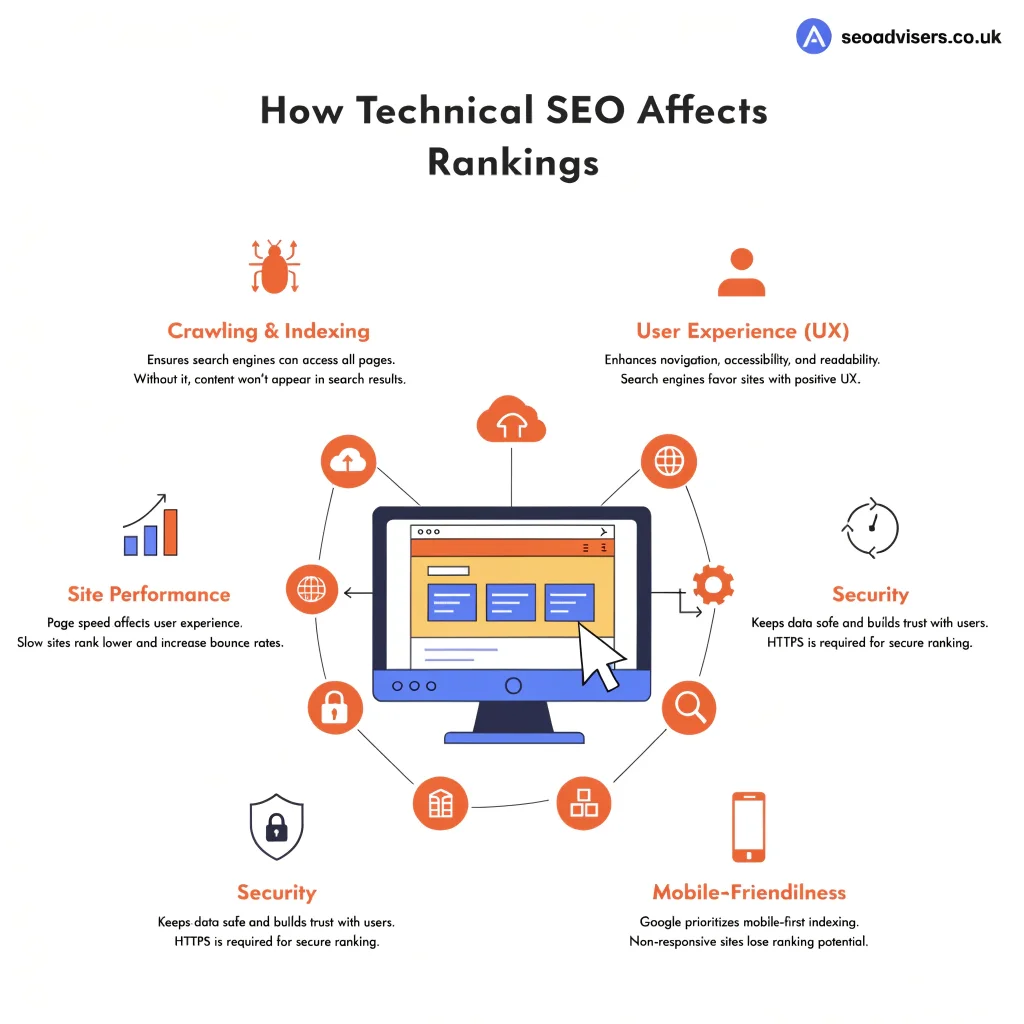
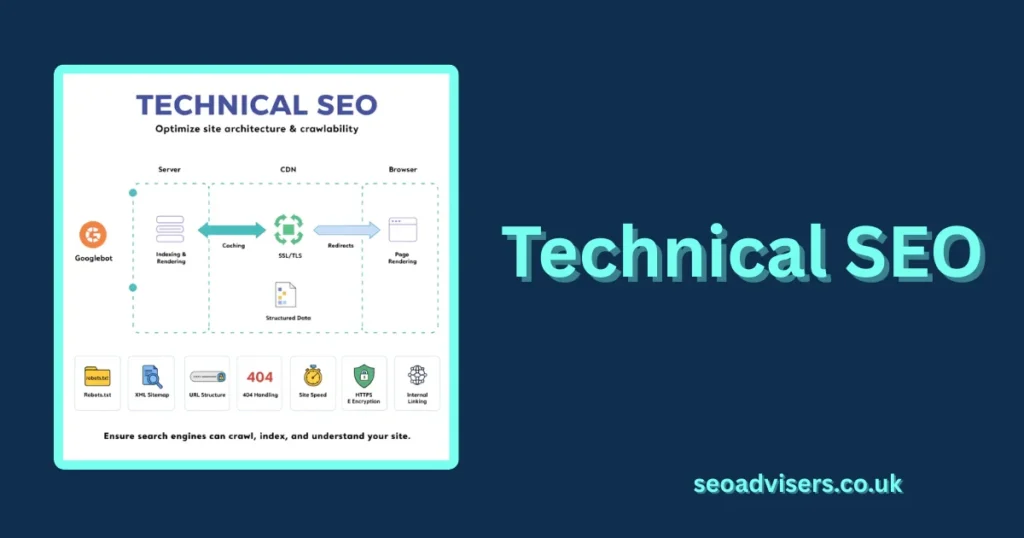
Strong Technical SEO ensures that search engines can crawl, interpret, and index content efficiently.
Site Speed Optimization
Effective Site Speed Optimization improves user experience and helps search engines access pages quickly.
Page Load Speed
Faster Page Load Speed reduces bounce rates and keeps readers engaged.
Core Web Vitals
Monitoring Core Web Vitals helps identify performance issues that may affect both user experience and search visibility.
Mobile Friendliness
Ensuring Mobile Friendliness is essential because many users access content through smartphones.
Responsive Design
Modern Responsive Design allows websites to adapt to different screen sizes.
Mobile UX
A strong Mobile UX ensures that navigation and readability remain clear on smaller screens.
XML Sitemap & Robots.txt
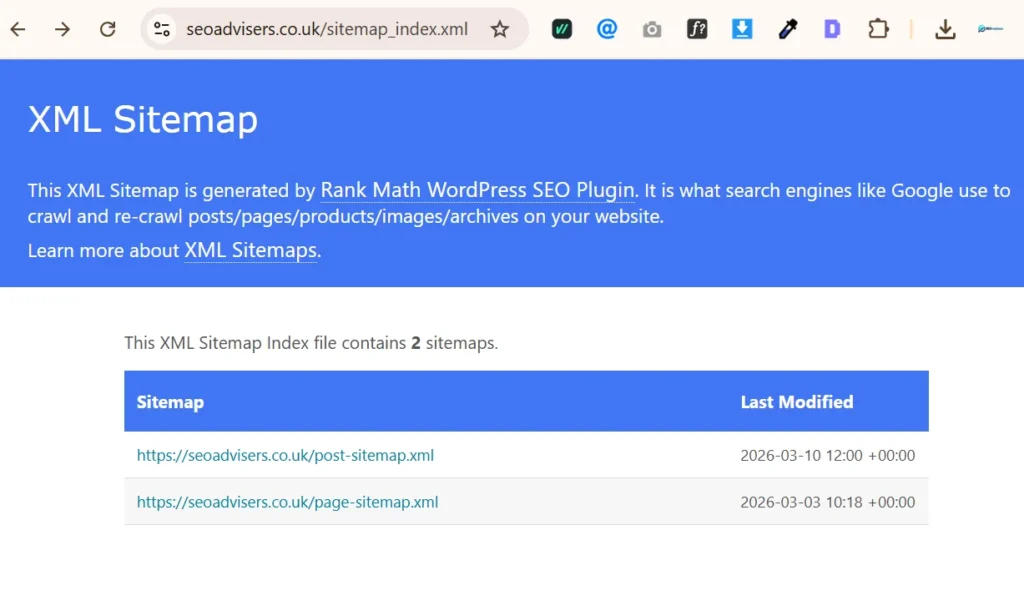
Managing XML Sitemap & Robots.txt helps guide search engines through the structure of the website.
Creating XML Sitemap
Proper Creating XML Sitemap ensures that important pages are easily discovered.
Robots.txt Configuration
Correct Robots.txt Configuration prevents search engines from accessing unnecessary sections of the website.
Canonical URLs
Proper Canonical URLs help prevent duplicate content problems across similar pages.
Duplicate Content Issues
Avoiding Duplicate Content Issues ensures that search engines know which page should appear in results.
Canonical Tag Implementation
Accurate Canonical Tag Implementation signals the preferred version of a page.
Structured Data & Rich Snippets
Using Structured Data & Rich Snippets improves the way search results appear and provides additional context to search engines.
FAQ Schema
Applying FAQ Schema allows frequently asked questions to appear directly in search results.
Article Schema
Using Article Schema helps search engines identify and categorize editorial content.
HTTPS & Security
Maintaining HTTPS & Security protects user data and builds trust with visitors.
SSL Certificates
Reliable SSL Certificates encrypt information exchanged between the user and the website.
Secure Website Practices
Following Secure Website Practices protects both the website and its users.
Local SEO
Effective Local SEO helps businesses appear in location based search results.
Google Business Profile Optimization
Proper Google Business Profile Optimization ensures that local businesses appear accurately in local search results.
Profile Setup
Accurate Profile Setup provides search engines with correct business information.
Business Categories
Choosing the right Business Categories helps search engines match the business with relevant searches.
Posting Updates
Regular Posting Updates keeps the business profile active and informative.
Local Listings
Consistent Local Listings help search engines verify business information across directories.
Business Directories
Submitting to Business Directories increases visibility across multiple platforms.
Citation Building
Consistent Citation Building strengthens the credibility of business information online.
Reviews & Ratings Management
Effective Reviews & Ratings Management builds trust with potential customers.
Getting Customer Reviews
Encouraging Getting Customer Reviews provides authentic feedback and strengthens credibility.
Responding to Reviews
Professional Responding to Reviews demonstrates attentiveness and customer care.
SEO Tools
Reliable SEO Tools help analyze data, identify opportunities, and refine strategies.
Keyword Research Tools
Using Keyword Research Tools helps identify search demand and content opportunities.
Ahrefs
Many professionals rely on Ahrefs for backlink analysis and keyword insights.
SEMrush
The platform SEMrush provides competitive research and performance tracking.
Ubersuggest
For simpler research workflows Ubersuggest offers keyword ideas and content insights.
Website Analysis Tools
Effective Website Analysis Tools help evaluate technical performance and indexing.
Google Search Console
Using Google Search Console helps monitor search visibility and indexing status.
Screaming Frog
Technical audits are often performed with Screaming Frog to identify crawl issues.
Performance Tools
Reliable Performance Tools help diagnose page speed and technical efficiency.
PageSpeed Insights
Developers frequently rely on PageSpeed Insights to measure page performance.
GTmetrix
Another widely used analysis platform is GTmetrix, which provides detailed speed reports.
Content Optimization Tools
Advanced Content Optimization Tools help writers refine content based on data.
Surfer SEO
Many SEO specialists use Surfer SEO to analyze content structure and improve topical relevance.
Conclusion
An SEO cluster helps organize website content in a way that both readers and search engines understand easily. Instead of creating isolated pages, the cluster model connects related topics through internal linking and structured content. This approach improves topical authority, strengthens keyword relevance, and helps search engines evaluate the expertise of a website.
When businesses consistently publish useful content around a central topic and connect those articles strategically, the entire website becomes more authoritative. Over time, this structure supports better visibility in search results, increases organic traffic, and provides a smoother experience for readers who want to explore related information.
Frequency Asked Question About SEO Cluster
Q1. What is an SEO cluster?
An SEO cluster is a content structure where a main pillar page covers a broad topic while several supporting articles cover related subtopics and link back to the pillar page. This structure helps search engines understand topic relationships and improves rankings.
Q2. Why are SEO clusters important?
SEO clusters help websites build topical authority. When multiple related pages support a central topic, search engines recognize the website as a reliable source for that subject.
Q3. What is a pillar page in an SEO cluster?
A pillar page is the main page that covers a broad topic in detail and links to several supporting articles that explain smaller subtopics.
Q4. How do internal links help SEO clusters?
Internal links connect cluster pages with the pillar page and help search engines crawl and understand the relationship between topics on the website.
Q5. How many pages should be in an SEO cluster?
There is no fixed number, but a typical cluster contains one pillar page and five to fifteen supporting articles depending on the topic depth.